

4 min read time

Table of Contents

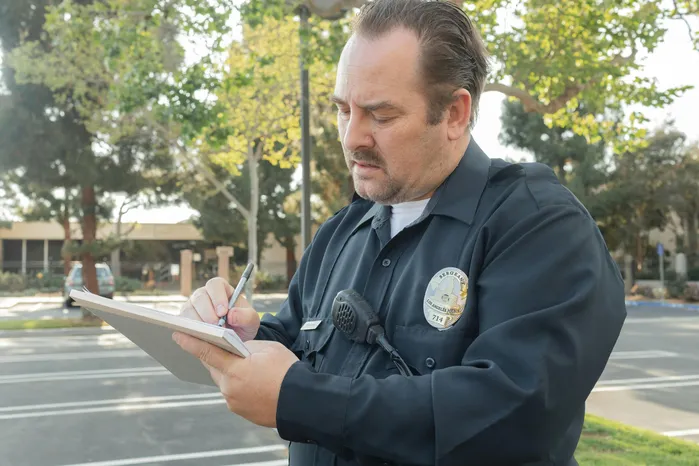
What Is the Purpose of a Car Accident Report
A car accident report serves multiple crucial purposes, with one being that it documents key accident details to assist insurance adjusters or a jury in understanding what occurred and determining liability.
Additionally, it serves as a legal document that can be used as evidence in court proceedings and can be used to resolve disputes or claims.
To have a car accident report made by an experienced attorney, schedule a free consultation with the Rodney Okano Car Accident Lawyer Law Firm today.
Importance of an Accurate Car Accident Report
An accurate motor vehicle accident report ensures fair negotiations with insurance companies by providing precise details like date, time, location, license plate numbers, and witness statements.
The amount of evidence and detail an accident report provides helps in legal proceedings, the insurance claim process, establishing fault, and recovering compensation.
Legal and Insurance Implications of Having an Accident Report
Accident reports serve as crucial evidence in court cases or insurance claims to establish fault and liability. Specifically, Nevada law requires reporting auto accidents to law enforcement resulting in injury, death, or damage exceeding $750.
Comprehensive documentation, including witness statements, police reports, and photos of the vehicles involved, is essential for proving fault under the tort-based system, where the at-fault party is liable for damages.
Role of a Comprehensive Report in Determining Liability
Accurate accident reports serve as essential documents in establishing liability by providing detailed accounts of the auto accident. They assist your personal injury attorney and insurance companies in determining fault, making them crucial legal evidence.
Preparing Before Writing a Car Wreck Report

Before writing a comprehensive document about the car accident, be sure to prepare by:
- Gathering Information: Collect all relevant details such as date, time, location, parties involved, and any documentation or evidence you have gathered.
- Compiling Evidence: Assemble photographic evidence, witness statements, and medical records if applicable.
- Reviewing Legal Requirements: Familiarize yourself with your state's specific requirements for car accident reporting to ensure compliance.
- Organizing Your Notes: Create an outline to structure your report clearly, highlighting key points such as the events leading to the accident and any actions taken post-accident.
Gather Necessary Materials and Evidence
Prepare essential items such as photos of the accident scene and damages, witness contact details, driver's licenses, insurance cards, police reports, medical records if available, and any other relevant communication or documents related to the accident.
Obtain Essential Information Sources
Collect critical details about the car crash, such as date, time, and location of the car accident, using landmarks or GPS. Note traffic signals and weather conditions.
Also, the document involved parties' names, vehicle info, insurance company details, and witness statements.
Key Details to Include in a Car Accident Report
When writing a car accident report, try to include as many of the following key details as possible:
- Accident Specifics: Document the date, time, and location of the accident.
- Parties Involved: Record details such as names, contact information, insurance specifics, and vehicle information (make, model, year, license plate).
- Witness Information: Gather witness statements and their contact details.
- Visual Evidence: Include photos or sketches of the scene, damages, and any relevant signs.
- Injury and Damage Notes: Detail any injuries sustained and property damage.
- Police Report Documentation: If available, include the police report number.
Vehicle and Driver Information
The report should include details such as the vehicle's make, model, year, and license plate number. Additionally, record driver information like names, contact details, and insurance details.
This data will help in accurately identifying motor vehicles and understanding their role in the accident.
Time, Date, and Location of the Accident
When writing about the time, date, and location of the car accident in your report, be sure to go into as many details as possible, considering privacy and sensitive details.
An example of this could be:
The accident occurred on March 15, 2026, at approximately 2:45 PM. It took place at the intersection of Maple Street and Pine Avenue in Springfield.
Description of Vehicle Damage
Document the extent of damage to all vehicles involved in the car accident. Include detailed descriptions such as dents, scratches, broken windows, and any mechanical failures resulting from the collision.
Tips for Describing the Auto Accident 
If in your statement you go into details about the accident, make sure you:
- Detail the sequence of events leading up to and during the accident, describing each vehicle's actions.
- Include environmental conditions such as weather and road surface quality at the time.
- Document any injuries sustained by those involved, noting their severity and location on the body.
By detailing these elements, you provide a clear and accurate account of the accident, which can help in the claims process.
Sequence of Events Leading to the Collision
Outline the events leading up to the accident to give the insurance adjuster or jury a clearer picture of the events leading up to the crash.
An example to base your outline of events is:
The collision occurred when one vehicle failed to yield at an intersection while another was crossing it legally during adverse weather conditions, which contributed to poor visibility and slippery roads. Witnesses noted that they heard skidding potentially show sudden braking attempts.
Weather and Road Conditions
Document weather conditions during an accident, such as rain or fog, and describe road states like wet or icy surfaces. Adverse weather is a significant factor in vehicle accidents, making these details crucial when writing a car accident report.
Traffic Signs and Signals
When writing car accident reports, note all relevant traffic signs or signals. These include stop signs, yield signs, and traffic lights, which play a crucial role in establishing fault and understanding the circumstances surrounding the accident.
Photos of these traffic signs and signals are essential for supporting your car accident report during legal or insurance discussions.
Obtain the Compensation You're Entitled To
Contact Us Today
The Rodney Okano Car Accident Lawyer Law Firm is a Las Vegas personal injury law firm that specializes in representing those in car, truck, bus, and motorcycle accidents. Founded in 2001, our law firm has over 20 years of legal experience in Nevada and has remained dedicated to securing the maximum settlement for those injured in motor vehicle accidents. Our firm offers free consultations, which can be set up by calling or sending an email inquiry.