Rodney Okano Car Accident Lawyer
Las Vegas Motorcycle Accident Lawyer
20 years of legal experience. 20 years of exceptional results.

Call a Lawyer Now - It's Free
$41,500.00
Car Accident w. Minor Property Damage
$119,500.00
Neck & Arm Car Accident Injury
$25,000.00
Back Pain from Car Accident
$165,000.00
Concussion from Car Accident
$25,000.00
Whiplash Injury from Car Accident
$150,000.00
RTC Bus Accident

Table of Contents
Motorcycle crashes in Las Vegas produce injuries far more severe than typical car accidents. Road rash, broken bones, brain injuries, and spinal cord injuries are common outcomes because riders lack the protective shell that surrounds vehicle drivers. According to Nevada crash data, Clark County carries a significant share of the state's motorcycle fatalities, with the Las Vegas Valley accounting for the majority each year.
Insurers treat motorcycle claims differently from car cases. They often assume the rider was at fault, making it harder to recover damages without strong evidence and advocacy from an Las Vegas motorcycle accident lawyer. Liability disputes over lane position, visibility, and speed frequently complicate these personal injury claims.
An experienced Las Vegas motorcycle accident attorney understands these challenges and can help injured riders push back against rider bias while identifying all available insurance coverage and legal options for seeking compensation.
Motorcycle accident cases demand specialized legal knowledge that general personal injury lawyers often lack. These situations involve unique factors that require a deep understanding of how bikes operate and the physics of crashes.
The complexities of accidents involving motorcycles include understanding blind spots, road conditions specific to Nevada roads, and how insurance companies handle motorcycle claims differently.
Also, according to the National Highway Traffic Safety Administration, motorcycle riders face disproportionately higher risks of serious injuries compared to passenger vehicle occupants, so attorneys must be able to handle a personal injury claim involving devastating injuries like spinal cord damage and serious trauma, which require experience in calculating long-term rehabilitation costs and lost income.
A skilled personal injury lawyer familiar with Nevada motorcycle laws can effectively navigate these intricate legal processes and work closely with medical experts to build strong cases.
Motorcycle riders suffer severe injuries because they lack vehicle protection. Common injuries include:
These injuries require expensive long-term treatment and rehabilitation. If negligence caused your injuries, you may seek compensation for medical costs and lost wages.
Insurance companies often use aggressive tactics to minimize payouts for motorcycle accident claims. They may pressure injured riders to settle quickly before understanding the full extent of their damages. These adjusters frequently undervalue claims or deny legitimate ones outright. Bias against motorcycle riders is common, with insurers portraying them as reckless despite evidence.
A skilled Las Vegas motorcycle accident lawyer recognizes these strategies and protects your legal rights throughout negotiations, ensuring fair compensation.
Nevada motorcycle laws present unique challenges that differ significantly from standard vehicle regulations. Riders must wear helmets and pass a skills test before operating motorcycles legally. These requirements exist because motorcycle accidents create distinct liability issues compared to passenger vehicle collisions.
Nevada law requires accident victims to prove the at-fault party's negligence when pursuing a potential claim. The oncoming lane positioning, speed factors, and visibility issues in motorcycle wrecks demand specialized knowledge. Understanding Nevada motorcycle accident statutes involves:
This legal framework makes it essential for injured riders to work with attorneys familiar with these specific regulations and how they apply to motorcycle crash cases.
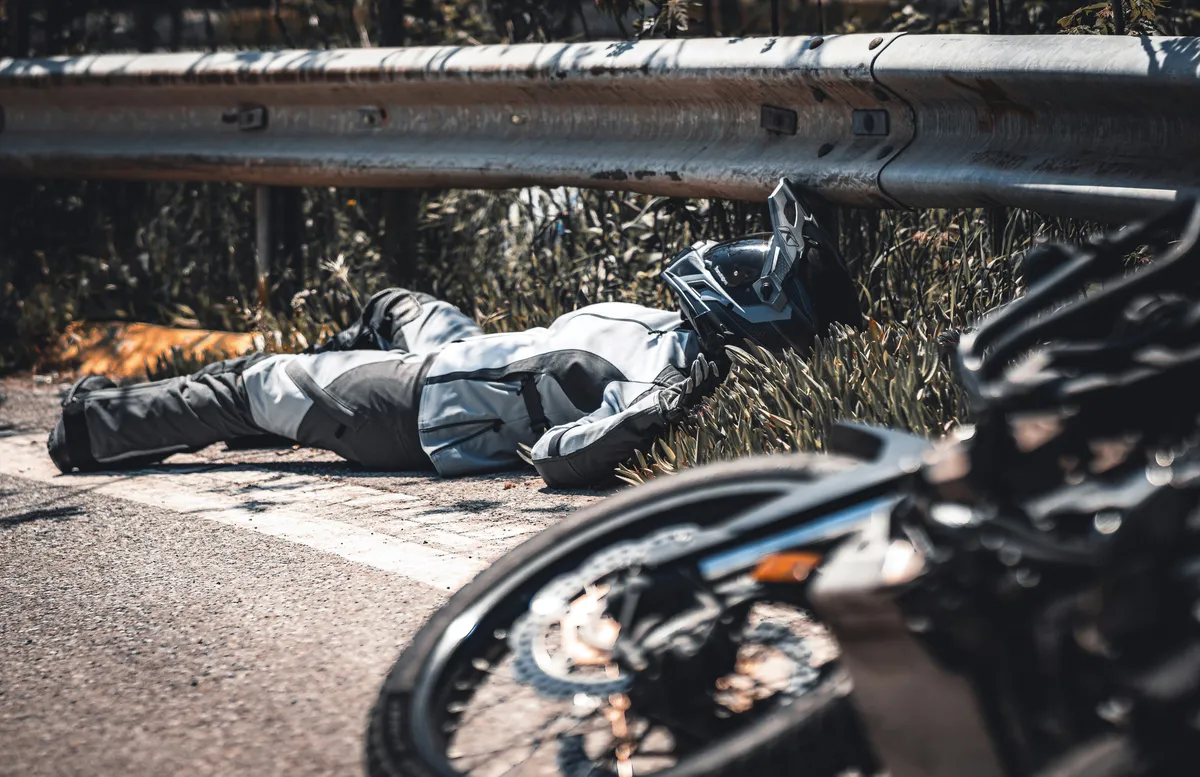
Motorcycle accidents on Las Vegas roads often stem from negligent drivers who fail to see riders sharing the roadway. Las Vegas Boulevard and surrounding streets present unique hazards where passenger vehicles frequently lose control or make sudden turns without checking for motorcycles. Poor road conditions, combined with heavy traffic, increase crash risks significantly.
Motorcycle riders face particular danger when drivers fail to yield at intersections or change lanes unexpectedly. Weather conditions and visibility challenges on local roads increase these dangers. Understanding these common causes helps injured riders recognize when fault lies with another driver.
Las Vegas's infrastructure presents serious dangers for motorcycle riders. Potholes and uneven pavement create unstable riding conditions that can cause loss of control. Gravel and debris scattered across roads reduce tire traction significantly. Additionally, poorly maintained road surfaces contribute to many motorcycle crashes in the area.
Weather-related hazards like rain make these conditions worse, decreasing visibility and grip. Inadequate road markings and signage increase these risks, leaving riders vulnerable to motorcycle accidents that result in serious injuries.
Drivers who fail to see motorcycle riders create dangerous situations on roads. Motorcycles are smaller and less visible than cars, especially during poor lighting or bad weather. When a driver doesn't notice a motorcycle rider, serious motorcycle crash injuries result. Injured riders often suffer traumatic brain injury or spine injury from these collisions.
Driving a motorcycle during poor weather conditions significantly affects safety and accident risk. Rain, dust storms, and extreme heat create hazardous riding environments. Road debris, potholes, and slick roads present dangerous obstacles that motorcycle riders must navigate carefully.
Poor visibility and slippery surfaces reduce traction and increase the likelihood of losing control, making weather-related incidents particularly severe for injured riders.
Broken brakes, worn tires, and faulty steering components cause serious motorcycle crashes. Equipment defects can happen through poor maintenance or manufacturer flaws. Riders injured from mechanical failures may experience:
When motorcycle riders encounter mechanical failures, collecting evidence through vehicle data and photos becomes critical for your case.
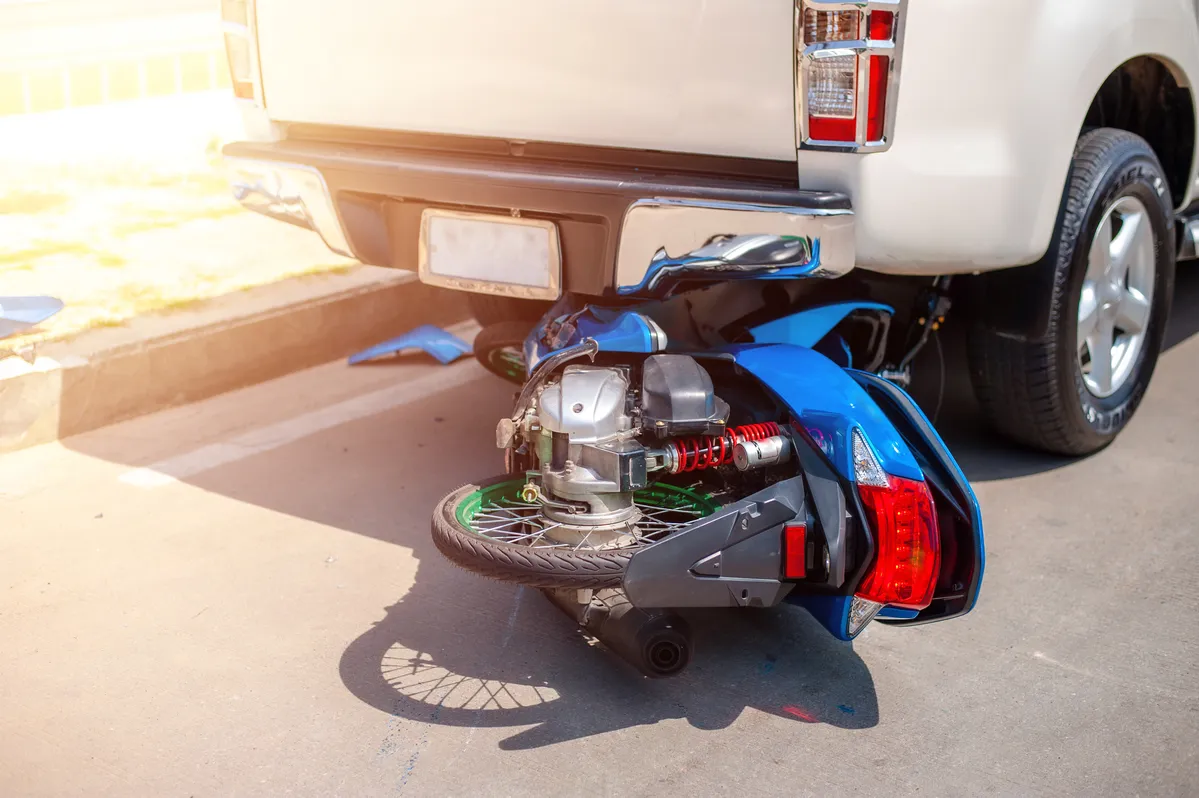
Motorcycle riders face severe injuries in crashes. Road rash, fractures, and spinal damage occur frequently. Head trauma can cause lasting brain injury and emotional distress. Internal injuries may not appear immediately after impact. Leg and arm injuries often require extensive surgery. As an experienced attorney, I've seen how these injuries affect victims' lives and recovery costs substantially.
Head trauma and brain injuries represent among the most serious consequences of motorcycle crashes. Motorcycle riders lack the protective shell that car passengers have, leaving their heads vulnerable during impact. Traumatic brain injuries can range from mild concussions to severe damage affecting memory, cognition, and motor function.
These injuries often require extensive medical treatment and long-term rehabilitation.
Motorcycle riders face serious spinal cord and neck injuries during crashes. These injuries occur when riders are thrown from bikes or experience sudden impact trauma. Such Las Vegas motorcycle accident injuries can result in permanent paralysis, loss of sensation, or chronic pain. Treatment often requires long-term rehabilitation and ongoing medical care, creating significant economic damages for injured individuals and their families.
When motorcycle riders experience crashes, they often suffer severe road rash, where asphalt scrapes away skin layers. These abrasions can leave permanent scarring and require extensive wound care. Fractures commonly occur in arms, legs, and ribs when injured riders hit the pavement or other vehicles.
Lacerations from sharp debris or impact create deep cuts that require stitches. Alongside these injuries, motorcycle accidents frequently cause internal bleeding and organ damage. Because these injuries demand immediate medical attention, collecting evidence at the accident scene becomes crucial for documenting damages and supporting claims.
Motorcycle crashes frequently cause severe limb injuries. These injuries include:
Economic damages from limb loss encompass medical expenses, rehabilitation costs, and lost wages. Permanent dislocation damages joints permanently, limiting mobility and independence significantly.
Motorcycle accidents often cause serious internal injuries that aren't immediately visible. The force of impact can rupture organs, cause internal bleeding, and damage vital systems inside the body. These injuries require immediate medical attention and can result in significant economic damages. When another person's negligence causes internal organ damage in a motorcycle crash, injured riders may seek compensation for medical expenses and ongoing treatment costs through legal action.
The Nevada DMV requires motorcycle riders to carry minimum liability insurance of $25,000 for bodily injury per person and $50,000 per accident, and $20,000 for property damage. You must obtain a Class M license through an approved motorcycle school and pass the DMV tests. Helmets meeting Federal Motor Vehicle Safety Standards are mandatory for riders and motorcycle passengers.
Your bike needs headlights, taillights, mirrors, turn signals, and functioning brakes. From 2015 to 2017, Las Vegas experienced 2,383 total motorcycle crashes, making understanding these motorcycle laws crucial in protecting yourself on Nevada roads.
Nevada law requires all motorcycle riders to wear helmets that meet federal safety standards. According to Nevada Statute NRS 486.231, helmets must be DOT-approved and properly fastened while operating a motorcycle. Riders who fail to comply face fines and potential liability in the event of a motorcycle accident.
When injured riders neglect this requirement, it can affect their compensation claims significantly.
Nevada requires all motorcycle riders to wear helmets meeting federal safety standards. These helmets must include visors that decrease glare and debris, improving your vision while riding. Proper eye protection helps you see better and gauge surrounding traffic conditions more clearly than without a helmet.
Nevada requires a Class M driver's license before operating any motorcycle. You can obtain this license through two pathways:
Additionally, motorcycles must display specific equipment. These include headlights, red taillights visible from 500 feet, brake lights visible from 300 feet, working turn signals, functioning front and rear brakes, a muffler, horn, fenders, and adjustable footrests. Complying with these legal requirements helps motorcycle riders avoid serious injury if a motorcycle accident occurs.
Nevada law NRS 486.351 prohibits lane splitting for motorcyclists. Riders cannot pass vehicles by traveling between lanes, even in heavy traffic. Violating this rule can result in fines and liability in motorcycle accident cases.
Nevada is an at-fault state, meaning the negligent driver bears responsibility for damages. To recover compensation, you must prove that the other motorist caused the motorcycle crash through negligent driving. A Las Vegas motorcycle accident lawyer can collect evidence like police reports, witness statements, and photos to establish fault and build your case for a fair result.
Nevada follows a comparative negligence system under NRS 41.141. This law allows injured parties to recover damages even if partially at fault, as long as they're less than 51% responsible. Your degree of fault directly reduces your recovery amount. For instance, if you're 20% at fault in a motorcycle crash, you can only recover 80% of your total damages.
When motorcycle accidents occur, courts examine each party's actions through the police report and evidence.
In a motorcycle accident in Las Vegas, identifying the responsible party or parties requires understanding which party owed a duty of care and then breached that duty of care by committing a negligent action, such as:
Establishing fault in motorcycle collisions requires gathering strong evidence from the scene. A police report documents critical details about how the accident occurred. Other crucial evidence includes:
An injured rider should carefully preserve this documentation and work with a team of Las Vegas motorcycle accident attorneys to build a case.
When another party causes a motorcycle crash, determining who bears legal responsibility becomes crucial. Third-party liability occurs when someone other than the injured rider is at fault. This might include another driver, a vehicle manufacturer, or even a property owner. Establishing fault typically requires examining evidence and reconstructing the accident.
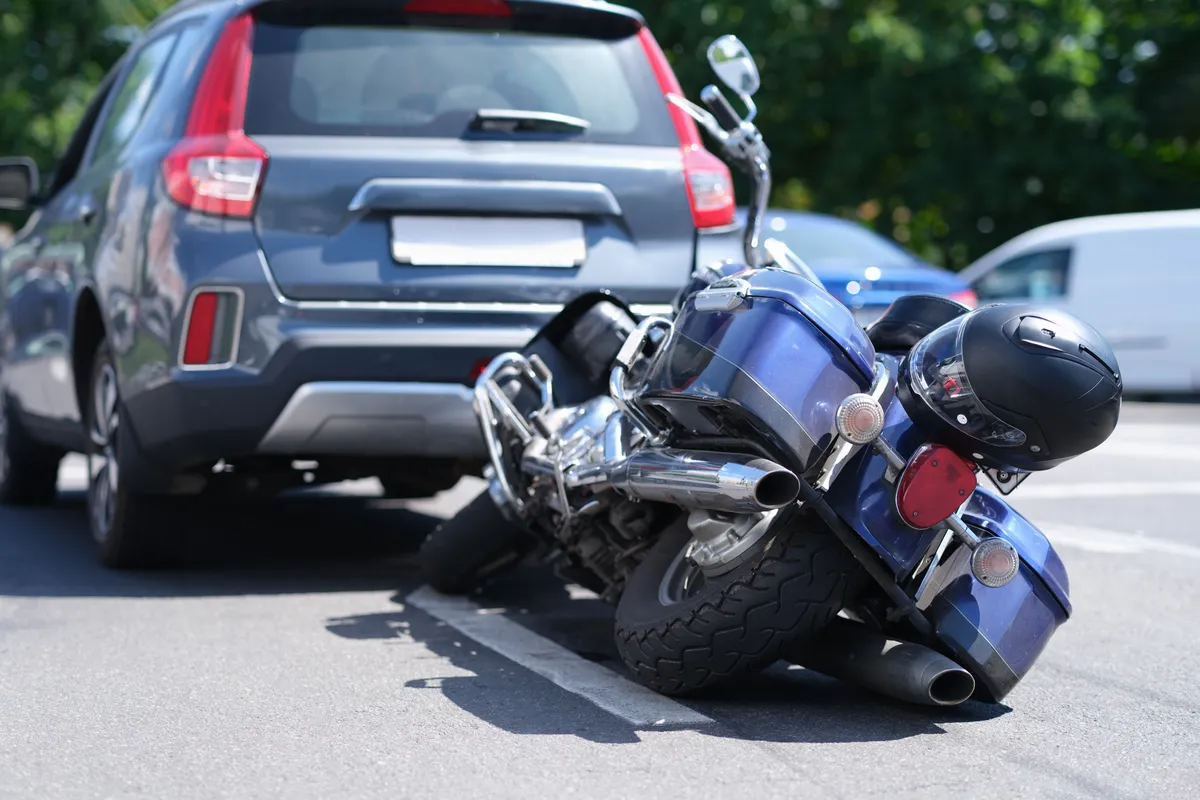
After a motorcycle crash in Las Vegas, injured riders may recover economic damages covering medical bills, lost wages, and property damage. Non-economic damages, which address pain and suffering from your injuries, can also be recovered. Insurance companies often undervalue claims initially. As your attorney, I help ensure full compensation reflects your actual losses and future medical needs from the accident.
Economic damages cover tangible financial losses from motorcycle crashes. Medical expenses include hospital bills, surgery costs, and ongoing rehabilitation. Lost wages compensate for income missed during recovery periods. Property damage covers motorcycle repair or replacement costs. Future earning capacity losses apply when injuries prevent returning to work.
Additionally, transportation expenses and home care costs qualify for recovery.
A free consultation with our Nevada motorcycle accident law firm allows you to understand what compensation you may receive for your financial hardships from the accident.
Pain and suffering damages compensate injured motorcycle crash victims for physical discomfort and emotional distress following accidents. These non-economic damages cover ongoing pain, anxiety, and reduced quality of life that victims experience. Courts in Nevada evaluate pain and suffering severity through medical records and personal testimony.
Unlike economic damages tied to a specific amount, pain and suffering awards depend on injury circumstances and impact. An attorney can help document how the motorcycle accident affected your daily life, relationships, and mental health when pursuing fair compensation for your losses.
Punitive damages go beyond compensating an injured party for losses. Courts award them to punish particularly reckless behavior in motorcycle accidents. These damages apply when a defendant's conduct shows extreme disregard for safety. Key aspects of punitive damages are:
When motorcycle crashes involve flagrant violations, punitive damages become possible. An attorney can evaluate your situation during a free consultation to determine eligibility and pursue maximum recovery for your injuries.
Motorcycle crash injuries often prevent victims from working immediately. Lost income during recovery represents significant financial losses that courts recognize as compensable damages. When calculating future earning capacity, attorneys consider your age, work history, and the permanence of your injuries.
Medical documentation supporting your inability to work strengthens claims substantially.

Yes, Nevada has a universal helmet law requiring every motorcyclist and their passenger to wear an NHTSA-approved helmet. Helmets must comply with Federal Motor Vehicle Safety Standards. Riders must also have eye protection, such as goggles or a face shield, while operating a motorcycle in the state.
No. Riding between lanes of moving or stopped traffic is illegal in Nevada. Two motorcycles may legally share one lane, but lane splitting is not allowed. A citation for lane splitting can negatively affect your accident claim.
Yes, you can recover compensation in Nevada if you are partly at fault under the modified comparative negligence law (NRS 41.141). As long as you are no more than 50% responsible, you can still receive damages. However, your compensation is reduced by your percentage of fault. For example, if awarded $100,000 but found 40% at fault, you receive $60,000.
If you are 51% or more at fault, you cannot recover anything.
The statute of limitations varies depending on the type of claim. For personal injury cases, you typically have two to file a claim under NRS 11.190. Property damage claims usually allow three years.
Liability in motorcycle accidents is determined by proving negligence through four elements: duty, breach, causation, and damages. Insurance companies and courts examine police reports, witness statements, and evidence from the scene when establishing these four elements.
You can recover economic damages like medical bills, lost wages, and property damage. Non-economic damages cover pain and suffering and emotional distress. In rare cases involving extreme recklessness, punitive damages may apply.
Settlement timelines vary widely depending on case complexity. Simple cases may settle in weeks, while others take six to eight months on average. The timeframe depends on injury severity, evidence availability, and whether you've reached maximum medical improvement.
 |
00:58
|
00:58
See how Attorney Rodney Okano helps clients get the compensation they're entitled to regardless of the odds.
Schedule a
Free Consultation
Our Practice Areas
Areas We Serve
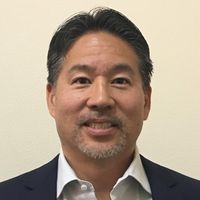
Attorney Rodney Okano is a skilled Las Vegas attorney who has over 20 years of legal experience in the state of Nevada. Through his extensive legal career, he has helped thousands of clients in their personal injury and bankruptcy matters.
Contact Attorney Rodney OkanoSee why our clients trust us with their legal matters.

After my car accident. Rodney and Jackie were great! They really went out of their way to come up with innovative solutions to address my case with the insurance company. I would definitely use them again.
Rodney is absolutely wonderful! Quick to respond, professional and efficient! 10/10 would recommend to everyone! Thank you for everything!
Definitely the smoothest experience. Jackie is amazing! She kept me updated on my case and was very sincere and helpful. I chose Rodney Okano's office because of their longevity in Vegas and the location of their office. I would give them 10 stars if I could.