

4 min read time

Table of Contents

How to Determine if Your Tailbone Is Broken After a Car Accident
As a personal injury lawyer in Las Vegas, I've seen countless cases where auto accidents lead to hidden injuries, like a broken tailbone. Pain in the lower back, especially when sitting or moving, is a red flag. You might also notice bruising, swelling, or difficulty walking. However, these symptoms can mimic less severe injuries, so prompt medical evaluation is crucial to clarify if you really suffered a broken tailbone, as imaging tests, such as X-rays or MRI scans, can confirm tailbone fractures.
Remember, even if initial pain seems manageable, delayed diagnosis can complicate recovery. Approximately 5-8% of blunt trauma patients may have coccygeal fractures, with auto accidents being a notable source of trauma.
Following a car accident, always report your injuries to your doctor and keep medical records, as this not only aids healing but also protects your legal rights and compensation.
Recognizing Immediate Pain and Swelling
Immediate pain and swelling after a car accident often signal a potential broken tailbone, though they may also indicate bruising. Pain worsens with pressure, such as from sitting, and may radiate to the lower back or groin. Swelling typically localizes to the area near the coccyx and is accompanied by tenderness.
While these symptoms are common, fractured tailbones only account for 1-2% of skeletal injuries, but you should always seek medical evaluation if discomfort persists beyond a few days. Imaging helps distinguish fractures from bruises, as both share initial symptoms but differ in healing timelines and long-term impact.
Noting Changes in Sitting Comfort
Changes in sitting comfort often signal a potential tailbone injury. Sharp pain when sitting that worsens with prolonged pressure is a common indicator. Discomfort may radiate to the hips or lower spine, making it hard to find a comfortable position. Unlike minor bruising, fractures cause persistent pain that intensifies over time.
Noting these shifts after trauma is crucial for early diagnosis.
Common Symptoms of a Broken Tailbone
As a personal injury lawyer who has worked with countless injured clients, I often see that they are unaware of broken tailbones post-accident because they do not understand the common symptoms.
Common signs of a broken tailbone can include severe lower back pain, especially when sitting or standing, along with bruising and painful bowel movements. Weakness or numbness in the legs may also occur. These symptoms may appear hours after the auto accident, so prompt medical evaluation is crucial to ensure proper treatment and establish legal liability for your injuries.
Persistent Pain at the Base of the Spine
Persistent pain at the base of the spine is often caused by trauma like car accidents and worsens with prolonged sitting or pressure. Pain can worsen with bending, twisting, or standing after rest. Key indicators that the pain at the base of your spine could indicate a broken tailbone include:
- Aggravation when sitting on hard surfaces
- Discomfort during bowel movements
- Pain radiating to the legs or lower back
- Aching when shifting positions
Swelling or bruising may also signal coccygeal or sacral fractures, so seeking early evaluation is crucial for diagnosis and treatment.
Tenderness and Bruising Around the Coccyx
Tenderness and bruising around the coccyx appear immediately post-accident, with swelling peaking within 24-48 hours. Bruises may spread downward toward the upper thighs due to gravity, worsening discomfort. Pressure intensifies pain, making movement agonizing. Persistent tenderness, especially when touched, suggests possible fracture or coccygodynia, which is associated with a fractured tailbone.
Radiating pain necessitates prompt medical evaluation by healthcare providers to determine severity and treatment.
Pain That Worsens with Pressure or Movement
Pain intensifying with pressure or movement commonly occurs after trauma, though fractures are rare compared to other injuries resulting from a direct impact. Radiating pain to the back or thighs often results from muscle spasms rather than the fracture itself. Sitting on hard surfaces exacerbates discomfort, as the coccyx bears weight when sitting.
Persistent pain beyond a few weeks requires medical evaluation, and cushions and posture adjustments are recommended for relief.
Immediate Physical Indicators to Watch
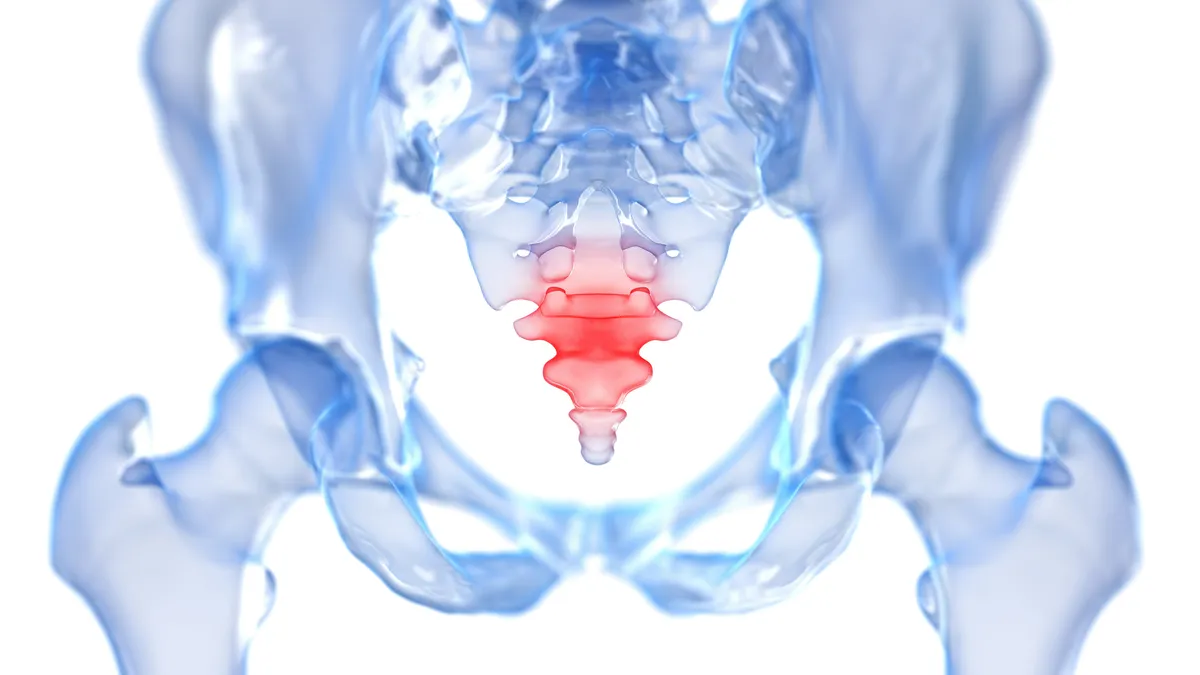
Sharp lower back pain and sitting difficulty may signal a broken tailbone. Bruising or swelling near the tailbone, with tenderness, is common in a bruised tailbone. However, these signs don't always confirm a fracture, making prompt medical evaluation, such as a physical exam, crucial to assess symptoms and guide treatment.
Difficulty Maintaining a Seated Position
Difficulty maintaining a seated position often signals a tailbone injury, more specifically a coccyx injury, common after trauma like car crashes. Posture shifts, leaning forward, muscle tension, bladder control, and simple movements can also be difficult to do when suffering from a broken tailbone.
Unusual Numbness or Tingling in the Lower Back
Unusual numbness or tingling in the lower back may occur with severe cases of tailbone injuries, though rare. This happens if swelling or bone displacement irritates nearby nerves.
Symptoms of a severe tailbone break can include:
- Pressure on the sciatica nerve
- Altered sensation in the legs
- Persistent tingling despite rest
If you experience any of these symptoms following a motor vehicle accident, immediate medical care is critical to your health.
Visible Deformity or Bump on the Tailbone
A visible bump or asymmetry at the coccyx may signal a displaced fracture, which is a type of tailbone injury. Swelling, bruising, or tenderness often accompanies this, including a visible bruise. Pressure on the area typically intensifies already throbbing pain, especially when sitting or leaning back. However, non-displaced fractures may remain subtle without a noticeable bump.
Rare nerve involvement from severe trauma can cause numbness or tingling in the lower back or legs. Prompt medical evaluation is crucial to confirm the injury and rule out complications, as the injury can significantly affect daily life.
Obtain the Compensation You're Entitled To
Contact Us Today
The Rodney Okano Car Accident Lawyer Law Firm is a Las Vegas personal injury law firm that specializes in representing those in car, truck, bus, and motorcycle accidents. Founded in 2001, our law firm has over 20 years of legal experience in Nevada and has remained dedicated to securing the maximum settlement for those injured in motor vehicle accidents. Our firm offers free consultations, which can be set up by calling or sending an email inquiry.