

6 min read time

Table of Contents

Understanding Nevada Seat Belt Laws
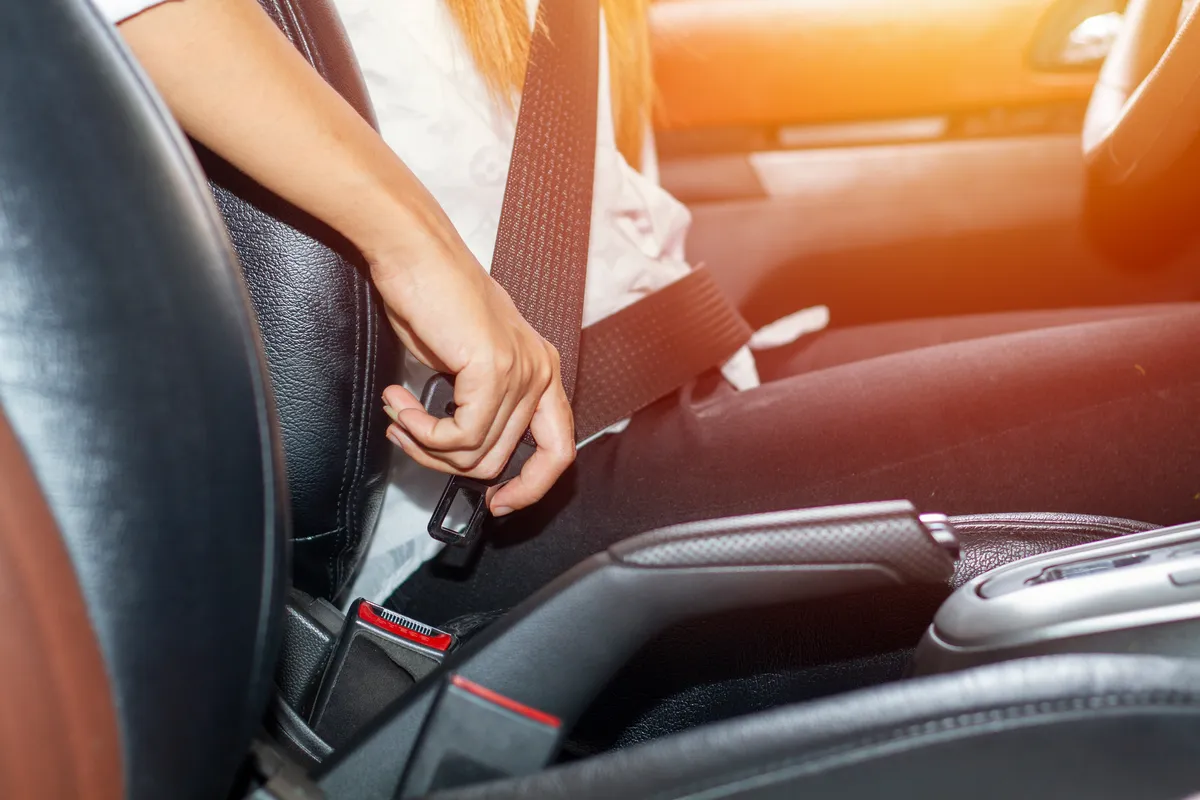
Nevada seat belt law requires seat belt use for drivers and passengers 6 years old or over, or those who are at least 57 inches tall. A violation of the Nevada safety belt law results in a secondary enforcement ticket, issued only if stopped for another violation, such as speeding.
For children under six, the Nevada seat belt law requires a properly installed child restraint system, with specifications based on age and height, ensuring safety compliance. Non-compliance may result in a seat belt citation and an increased risk of more serious injuries in a motor vehicle accident.
Also, not using a safety belt in the event of a car accident could create problems relating to your personal injury case, so it's crucial to seek legal help from a Las Vegas car accident attorney from the Rodney Okano Car Accident Lawyer Law Firm to prevent these potential complications from affecting your compensation.
Nevada Statutes Related to Car Seat and Seat Belt Use
In Nevada, seat belt use is mandated by NRS 484D.495(2) as a secondary offense, meaning a citation for a seat belt violation requires there to be a primary offense committed, such as speeding. Also, the Nevada seat belt law requires that children be secured in approved child restraint systems per age and height requirements under NRS 484B.157.
Penalties for violations include fines of $25 for adults or higher for children, with no demerit points on driver's licenses. However, improper seat belt use can lead to severe injuries in the event of a car accident, so while the civil infraction fine may be cheap, the cost one can suffer in an accident is great.
Key Requirements of the Nevada Seat Belt Law
Children under 2 years old must use a rear-facing car seat in the back seat. If the back seat is unavailable, disable the airbag and position the child facing forward.
For ages 2 to 5, use a forward-facing harness or booster seat approved by a regulatory body such as NHTSA or the United States Department of Transportation. Children under 57 inches must also be in a forward-facing seat or booster regardless of age, under Nevada law.
For an adult, an adult passenger, or a passenger over six years old or taller than 57 inches, normal seat belts are required. Violating these laws can result in penalties and increased injuries in a car accident.
Importance of Seat Belt Compliance in Nevada
Adhering to seat belt and car seat laws is crucial for safety. Seat belts and the laws surrounding them significantly reduce the risk of serious injury or death in accidents.
Proper seat belt use also influences outcomes in an accident case, as any amount of negligence can impact personal injury claims. Compliance with the Nevada seat belt and car seat law not only protects individuals but also avoids being hit with a civil infraction.
Nevada Seat Belt Requirements for Adults
In Nevada, adults are required to wear a seat belt when riding as passengers or drivers. This applies to those aged 6 years or older or weighing more than 60 pounds, regardless of age, while seated in the front or back seats of vehicles with an unladen weight under 10,000 pounds on state roads and highways.
Violating Nevada seat belt laws could result in a fine not exceeding $25 or performing community service hours.
However, seat belt citations as secondary offenses mean they can only be issued if another traffic violation has already stopped the motor vehicle.
Mandatory Use in All Vehicles
Nevada law requires that all drivers and passengers wear seat belts if a properly secured safety belt system is available for their seating position. This requirement applies to motor vehicles with an unladen weight of less than 10,000 pounds.
Exceptions exist for medical exemptions or certain older vehicles.
Exceptions for Certain Vehicles
In Nevada, vehicles exempt from seat belt laws include older models not mandated by law to have safety belts. Medical exemptions are also recognized if certified by an official healthcare provider.
Role of Law Enforcement in Citations
Law enforcement officers are responsible for ensuring compliance with Nevada seat belt laws. Officers can only issue seat belt citations if they observe a violation of these laws during routine checks or if another infraction is committed.
While primary offenses like speeding warrant immediate action from police officers, seat belt infractions often accompany these violations and lead to citations.
These actions serve both as penalties and as preventive measures to encourage wearing safety belts while driving.
Seat Belt Laws for Children
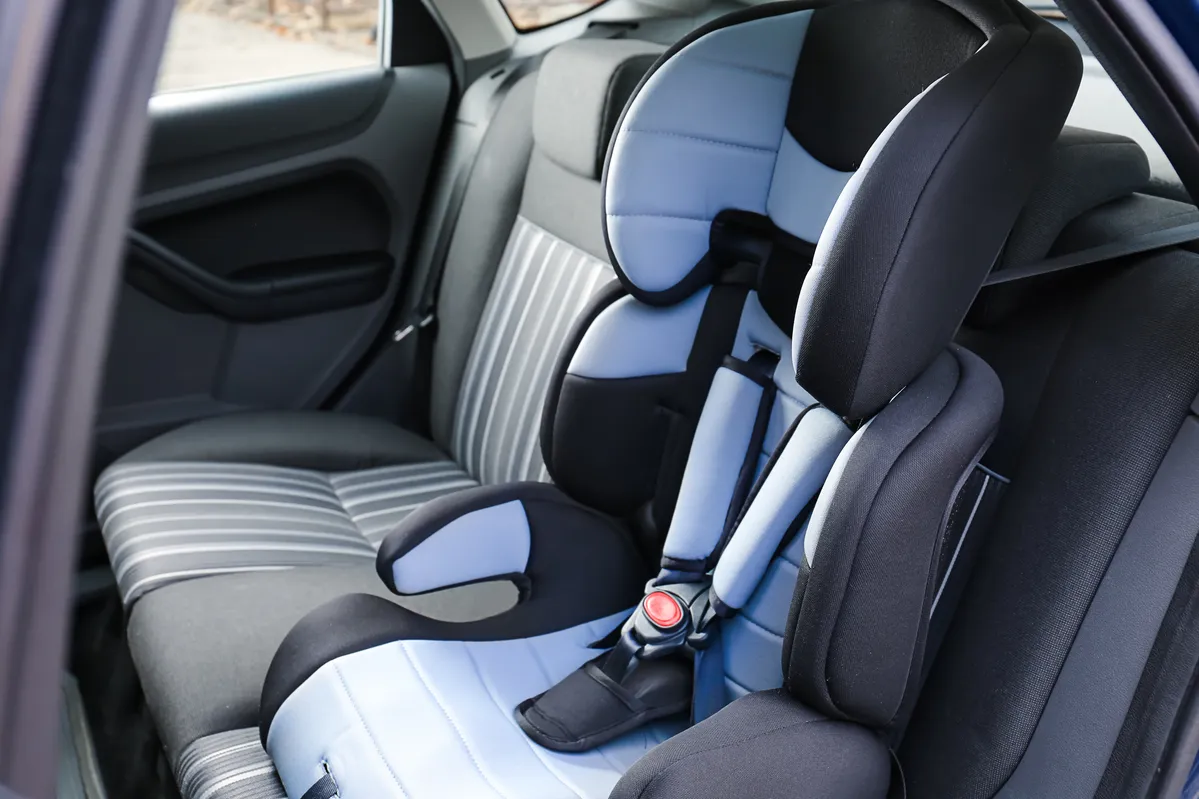
Children under age two must be secured in a proper child restraint system in the back seat of the vehicle. If there is no back seat, as with a pickup truck, the child should still be in a rear-facing child seat, but with the passenger airbag turned off if possible.
Once they reach two years old or surpass the weight limit for their current car seat, they can transition to a forward-facing car seat approved for their size.
Children aged 2 to 5 must use an approved front-facing car seat or booster seat and remain in the back seat until they are at least 57 inches tall. After reaching 57 inches in height and being at least 6 years old, children may switch to using a standard vehicle safety belt.
Infants and Rear-Facing Seats
Infants must ride in rear-facing car seats until the child outgrows the seat's height or weight limit set by the manufacturer, ensuring safety during car accidents and complying with Nevada's seat belt laws for infant protection. If no backseat is available, deactivate the passenger airbag to prevent harm from an airbag deployment and put them in a rear-facing seat.
Toddlers and Forward-Facing Seats
For toddlers between the ages of 2 and 5, Nevada requires the use of forward-facing car seats or booster seats. These must comply with the National Highway Traffic Safety Administration's standards to ensure safety.
Once a child exceeds 57 inches in height or is older than six years, transitioning to regular seat belts becomes appropriate. Adhering to these regulations ensures both legal compliance and protection for young passengers in case of a car accident.
Older Children and Booster Seat Requirements
For children aged 2 to 5, forward-facing car seats or booster seats must be used. These should be installed in the back seat, if possible, and meet safety standards set by regulatory bodies such as NHTSA.
Once they reach a height of at least 57 inches, even those under six years old in Nevada can transition to regular seat belts.
Age and Weight-Based Car Seat Requirements
In Nevada, children under 2 years old must be securely seated in a rear-facing car safety belt assembly in the back seat. Children between 2 and 4 years old should use a forward-facing car seat with a harness if they weigh less than 40 pounds and remain securely seated.
Children aged four to eight who weigh less than 80 pounds are required to use a booster seat in Nevada, ensuring that the safety belt fits properly across their bodies. Once children exceed these height and weight limits, they may use the vehicle's seat belt as long as they can do so safely.
Guidelines for Children Under 2 Years
Children under two years old should always be placed in a rear seat-facing car seat. It must be installed in the backseat to ensure safety, as it provides critical support for an infant's head, neck, and spine during a car accident.
If there is no backseat available, such as in some vehicles like pickup trucks, make sure to disable the front airbag before placing the child in the front seat with a rear-facing car seat.
Age and Size Criteria for Forward-Facing Seats
Children aged two to four must use a forward-facing seat with a harness if they weigh less than 40 pounds. The transition happens when they exceed the rear-facing seat's limits or reach the specified height/weight guidelines set by the car seat manufacturer.
As children grow older, from ages 4 to 8 and under 80 pounds, booster seats are required until they meet the seat belt fit standards, typically at four feet nine inches in height.
Transitioning to Regular Seat Belts
After children outgrow a forward-facing seat with a harness, typically between ages four and eight or at around 40 pounds, transitioning to a booster seat is necessary to effectively protect them in case of a car accident.
The booster seat ensures that the vehicle's lap and shoulder belt fit correctly across the child's body. Once they meet height and weight requirements, usually over four feet nine inches, they can start wearing seat belts without a booster.
Always check specific manufacturer guidelines for maximum safety during this transition.
Obtain the Compensation You're Entitled To
Contact Us Today
The Rodney Okano Car Accident Lawyer Law Firm is a Las Vegas personal injury law firm that specializes in representing those in car, truck, bus, and motorcycle accidents. Founded in 2001, our law firm has over 20 years of legal experience in Nevada and has remained dedicated to securing the maximum settlement for those injured in motor vehicle accidents. Our firm offers free consultations, which can be set up by calling or sending an email inquiry.