

5 min read time

Table of Contents

What Is the Nevada Left Lane Law?
According to the Nevada left lane law outlined under NRS 484B.208, the primary intention of the left lane on a freeway is for passing other vehicles safely. However, many drivers in Nevada have complained about others hogging the left lane and not moving over to allow for safe passing. To address this issue, the law gives police the authority to cite drivers who fail to leave the left lane and use the right lane when it's safe to do so.
Under the Nevada left lane law, a driver may be cited if they are traveling in the left lane of a freeway and failing to move over to allow for safe passing. This applies to all vehicles, including cars, trucks, motorcycles, and RVs. The law also specifies that drivers must use their best judgment when determining whether it is safe to pass another vehicle.
Note that the Nevada left lane law does not apply to situations where a driver is forced to stay in the left lane due to traffic or road conditions. Additionally, the law does not prohibit drivers from using the left lane for an extended period of time if they are traveling at a slower pace than other vehicles and there is no safe opportunity to pass.
By following these simple rules, drivers can help reduce congestion on our freeways and improve overall traffic flow.
Historical Context
As part of the efforts to improve traffic flow on Nevada highways, the Nevada Left Lane Law has been in place since 2017. Notably, before this law was established, drivers were allowed to drive at their own pace without restriction, leading to congestion and frustration among other motorists, particularly when slowly moving vehicles occupied the left lane, worsening traffic conditions, and potentially increasing the risk of motor vehicle accidents.
How Does the Law Apply to Different Road Types?

According to the Nevada left-lane law, the rule applies specifically to multi-lane controlled-access highways where the left lane can be used to overtake slow drivers.
When driving on city streets, the left lane may be used for turning, lane changes, or normal travel, depending on road markings and local conditions. The Nevada left-lane move-over statute does not apply.
On two-lane rural roads, passing is handled under the separate left-side passing rule, which requires a clear view and safe oncoming conditions. Desert highways or rural interstates with multiple lanes follow the same left-lane rule if the road meets the statutory highway definition and has a lane configuration that permits it.
Freeways and Interstates
On freeways and interstates, the far-left or fast lane should be used as a passing lane only, not for lingering traffic. Under Nevada Revised Statute 484B.208, slower drivers in the extreme left lane of a controlled-access highway must move right when overtaken by a faster vehicle; they can be seen as impeding traffic and cited by a peace officer.
This rule aims to keep traffic moving smoothly, reduce unnecessary lane blocking, and lower the chance of aggressive lane changes or road rage.
Rural Two-Lane Roads
When it comes to rural two-lane roads, the Nevada Left Lane Law still applies, but with some exceptions. On these roads, drivers are expected to yield to oncoming traffic and may only overtake if a dashed line is present.
Common Exceptions to the Left Lane Rule
While driving on Nevada's freeways, it's crucial to follow the left lane rule and yield to faster-moving vehicles. However, there are some common exceptions where drivers may not be held to this standard, such as
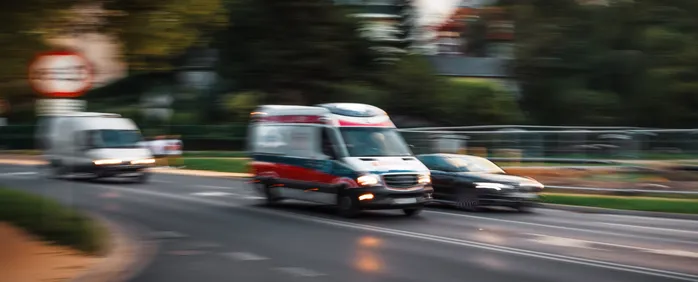
- Emergency Vehicles: The far left or fast lane is reserved for emergency vehicles such as ambulances, fire trucks, and police cars. These vehicles have the right of way and should be allowed to pass through the lane unimpeded.
- Merging Traffic: When merging onto a freeway from an on-ramp or changing lanes, drivers may use the left lane as necessary. However, they should only do so briefly and then move back into their original lane once they have cleared the merge zone.
- Passing Bicycles: In areas where bike paths are adjacent to freeways, cyclists may be using the far left lane to travel safely. Drivers must exercise caution and yield to these bicyclists when approaching or passing them.
- Inclement Weather: During heavy rain, strong winds, or other hazardous weather conditions, drivers may need to use the left lane to maintain control of their vehicle. In such cases, they should proceed with caution and be aware of their surroundings.
By understanding these exceptions, drivers can navigate Nevada's freeways safely and efficiently while also respecting the rights of other road users.
HOV and Dedicated Lanes
A motor vehicle traveling in an HOV lane is allowed to travel in the leftmost lane without worrying about speeding up or slowing down with traffic traveling in other lanes.
Unless an official traffic control device permits it.
Construction Zones and Weather Conditions
When driving on Nevada roads, you might encounter construction zones or adverse weather conditions that make it difficult to maintain a consistent speed in the left lane. While the Nevada Left Lane Law states that drivers should use the left lane only when passing or preparing to turn left, the law provides flexibility in construction zones and during adverse weather conditions.
In these situations, you may be exempt from the Nevada Left Lane Law's "passing only" rule. Drivers are expected to exercise caution while navigating through construction zones or inclement weather. This means that if lane reductions, detours, or lane shifts occur in a construction zone, drivers may need to occupy the left lane to maintain safe speeds or avoid barriers.
Additionally, during adverse weather conditions such as rain, snow, fog, or ice, the need to maintain vehicle control and ensure safety overrides the typical left-lane rules.
Frequently Asked Questions
Is Driving Too Slowly in the Left Lane a Misdemeanor?
According to Nevada's Left Lane Law (NRS 484B.208), driving too slowly in the left lane can be a moving violation, but it's not necessarily a misdemeanor unless certain aggravating factors are involved.
What If I Were Forced to Stay in the Left Lane by a Traffic Signal?
In situations where traffic signals or congestion force you to stay in the extreme left lane, you don't need to move immediately. Nevada law does not require it under these circumstances. The law focuses mainly on highways or multi-lane roads where vehicles are actively traveling at speed.
How Many Demerit Points Are Added for a First Offense?
Drivers in Nevada who are caught driving slowly in the extreme left lane for the first time often receive zero demerit points on their license and are cited a non-moving violation traffic ticket, which can cost around $50.
Can the Penalty Be Reduced If I Have a Clean Record?
Like most traffic violations, punishments can be reduced if you have a good record and communicate with the Nevada DMV.
However, to be sure, it's recommended to speak with an attorney to learn the specifics of your case.
Obtain the Compensation You're Entitled To
Contact Us Today
The Rodney Okano Car Accident Lawyer Law Firm is a Las Vegas personal injury law firm that specializes in representing those in car, truck, bus, and motorcycle accidents. Founded in 2001, our law firm has over 20 years of legal experience in Nevada and has remained dedicated to securing the maximum settlement for those injured in motor vehicle accidents. Our firm offers free consultations, which can be set up by calling or sending an email inquiry.