

5 min read time

Table of Contents

Understanding Police Vehicle Accident Liability
Police car accidents often pose liability issues, especially when a police officer is on an emergency call, but if they deviate from the policies of their government agency or they're not responding to an emergency, their conduct may be deemed negligent, exposing the police department to a claim.
A skilled attorney can help you gather photos, witness statements, and prove negligence to ensure you obtain a fair settlement for your medical bills, lost wages, vehicle damage, and insurance claims.
Determining Fault in a Police Vehicle Crash
As a personal injury attorney, I often see clients confused when it comes to proving negligence in a police vehicle collision. However, they should treat it as any normal accident, as determining fault starts by collecting evidence, photos, officer details, and the police report. Witness statements and traffic camera footage can also clarify who was negligent.
Understanding whether the officer was responding to an emergency or driving recklessly is the key to establishing liability, so obtain extensive evidence to safeguard your rights.
Shared Responsibility Scenarios
When a police vehicle crashes into someone, responsibility may be split among the officer, the department, the county, a fleeing suspect, or another driver.
Evidence like the crash report, officer dash cam, and witness statements helps assign fault, and by documenting all parties early and gathering evidence, you protect your rights and strengthen your claim.
Establishing Officer Negligence
To establish officer negligence, first demonstrate that the police officer was on duty, violated traffic laws, and caused a car accident by acting negligently. Dash cam footage, traffic camera recordings, and witness statements can work as evidence of reckless conduct, allowing your accident claim to continue under the Federal Tort Claims Act.
Special Protections And Immunities For Law Enforcement
Law enforcement enjoys sovereign, qualified, and departmental immunity, shielding them from ordinary civil suits unless it is proven that the police officer acted negligently. Typical defenses used by government entities, such as police officers, include:
- Sovereign immunity
- Qualified immunity
- Departmental immunity
Understanding these government immunity shields is crucial before filing a claim.
Sovereign Immunity
Sovereign immunity protects government agencies from civil lawsuits unless a federal statute, such as the Federal Torts Claims Act, waives it when a government employee, such as a police officer, commits a negligent act outside of their work scope. In some cases, even during emergencies, evidence that the emergency vehicle ran a red light without flashing lights can make the government entity the liable party, allowing the victim to pursue a personal injury claim.
Qualified Immunity
Qualified immunity may exempt police officers from lawsuits unless the officer involved breaches a clearly established constitutional or statutory right. Courts assess whether a reasonable individual officer would have handled the situation, weighing public safety into account.
Qualified immunity is typically used in cases of excessive force and not car accidents.
Steps to Take Immediately After an Accident with a Police Vehicle
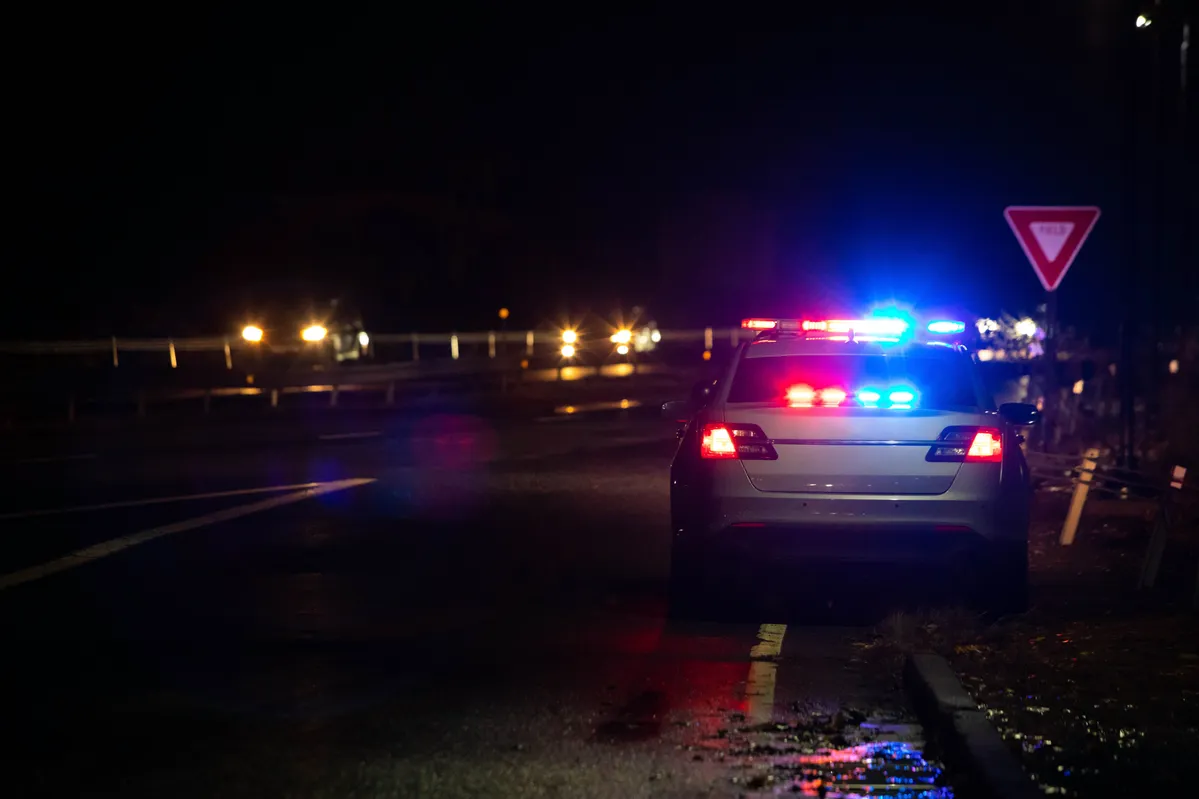
After a police car accident, first move yourself and, if possible, move your vehicle out of traffic, then check for injuries and call 911. While still at the accident scene, gather evidence using photos, write down the police officer's badge and vehicle number, and collect witness statements to support your insurance claim.
Taking these early steps allows you to prove you have a valid reason to pursue compensation for your injuries and damages.
Report the Accident to the Authorities
Immediately after a police car hits your vehicle, you must report the incident to law enforcement. If the officer involved in the accident says they can handle the reporting process, politely refuse and request that they call a supervisor or a different police officers.
Secure Your Safety and Gather Evidence
Immediately after a police car accident, prevent further injuries and preserve evidence by:
- Moving the vehicle out of traffic
- Calling 911 immediately
- Photographing both cars and the surroundings
- Writing the officer's badge and vehicle number
- Gathering witness statements and contact information
Obtain Medical Care
No matter how minor your injuries are, you should also seek a medical evaluation from a doctor, as you may have suffered from hidden injuries or injuries with delayed symptoms.
Evidence Collection And Documentation
Being a personal injury attorney for over 20 years, I have seen that clients who correctly gather evidence have faster and more valuable personal injury claims.
So, following an accident with an emergency vehicle, ensure thorough evidence gathering by capturing photos, videos, police reports, witness statements, and medical records, which provides a solid foundation for proving the at-fault driver and maximizing recovery.
Photographic Documentation
Once you are in a safe spot, snap wide-angle shots of both cars and the overall scene, including the police car, other emergency vehicles, and any normal vehicles involved.
Then photograph any injuries, skid marks, and damage from the car crash.
Witness Statements
After a police officer is involved in a car accident, gather statements from those who observed the crash. Politely request their names, phone numbers, and a brief written account of what they saw. These statements, together with photos and police reports, strengthen the evidence needed to seek compensation in your case.
Official Incident Reports
After an auto accident involving a police car, the first step is to call the police, even if a police officer is already present, to ensure the incident is formally recorded by the police department. Request the report number and badge details, then ask for a copy of the official incident report, as it's a crucial part of accident claims and seeking compensation.
Insurance Coverage And Claim Processes
When I handle the claims process for clients after a car accident involving a police officer, I typically go through gathering evidence, notifying the insurance companies, reviewing coverage, and filing a claim or a Notice of Claim.
These steps set the path to recovering compensation for my client's injuries and damages.
Limits and Deductibles in Police Officer-Involved Auto Accidents
When a police car is involved in an auto accident, most states set compensation caps similar to:
- $100,000 for property damage
- $250,000 per person for injury or death, with a $500,000 maximum
These limits set the amount of compensation you can seek from the state.
Obtain the Compensation You're Entitled To
Contact Us Today
The Rodney Okano Car Accident Lawyer Law Firm is a Las Vegas personal injury law firm that specializes in representing those in car, truck, bus, and motorcycle accidents. Founded in 2001, our law firm has over 20 years of legal experience in Nevada and has remained dedicated to securing the maximum settlement for those injured in motor vehicle accidents. Our firm offers free consultations, which can be set up by calling or sending an email inquiry.