

6 min read time

Table of Contents

Who Is Liable When Bad Weather Causes a Car Accident in Nevada?
In Nevada, drivers have a duty to adjust their speed and driving habits to the weather conditions. If they don't, they can be held liable. But in some cases, drivers may not be fully liable (under comparative fault) or liable at all, since weather conditions often contribute to a crash but aren't the sole cause.
Let's break down who might be held responsible depending on the circumstances of the car crash:
- If You Were Driving Recklessly (Claim Validity: 3%): If you were driving at highway speeds in heavy rain, fog, or icy conditions, you could be held responsible for your own actions. Your insurance company may pay for your damages if you have collision coverage, but pursuing a car accident claim against a third party will most likely not go in your favor.
- If You Failed to Maintain Your Vehicle (Claim Validity: 35%): If your car was not functioning correctly because of the weather, such as windshield wipers that weren't functioning, you might be held responsible. The condition of your vehicle is often your responsibility. However, if you believe a mechanic or the vehicle manufacturer caused the malfunction, you could pursue a claim against them.
- If There Was a Government Failure (Claim Validity: 75%): If bad weather caused a road hazard, such as a fallen tree, flooding, or ice patch, the government entity responsible for maintaining the road might be held liable. This is even more the case if the hazard was foreseeable and there were no warning systems or signs in place to alert drivers. However, claims against government entities or contractors can be difficult, expensive, and long.
- If Someone Else Was Driving Poorly (Claim Validity: 95%): If another driver sped or drove recklessly in the rain or snow, they may be held liable. Even if the weather was bad, reckless driving can lead to full responsibility for the accident. For example, if another driver was driving too fast for the conditions and rear-ended your vehicle, they may be found solely responsible for the crash and your damage.
In the next sections, we will look at four different weather-related car accident scenarios related to the circumstances mentioned above.
Scenario 1: You Were Driving Recklessly
If you were driving 10 over the posted speed limit during foggy conditions, you will most likely be held responsible for your own actions and damages.
Additionally, if you damage property or hit another driver, claims may be filed against you for the damages and injuries caused.
Scenario 2: You Failed to Maintain Your Vehicle
If the road became icy after a winter storm and you failed to keep adequate tire pressure and spun out of control, you could be seen as solely responsible for the damages.
However, if a repair shop negligently replaced your tires or the tire manufacturer produced a faulty tire, you may have legal options against them.
Scenario 3: There Was a Government Failure
In this case, if there was poor drainage that made the road dangerously slippery or flooded, and the government entity failed to maintain the road properly, they may be held responsible.
For example, if you were driving on a road that suddenly became flooded due to the failure of drainage systems, the state or local government may be liable for the crash.
Scenario 4: Someone Else Was Driving Poorly
If, during strong winds, another driver is going full highway speeds and a gust of wind drifts them out of their lane, causing them to crash into you, that driver will most likely be solely responsible for your damages and injuries.
How Nevada's Comparative Negligence Rule Affects Liability in a Weather-Related Accident
If bad weather is the only reason you had a car accident, you may not be able to recover damages. But if bad weather, someone else's negligence, and your actions contributed to your injuries, this is where Nevada's modified comparative negligence rule (NRS 41.141) comes in.
This modified comparative negligence law allows you to recover compensation as long as your negligence was not more than 50%. However, your settlement will be reduced by the percentage of fault you are found to be at, and if you are found to be 51% or more at fault, you will be completely barred from receiving compensation.
How Do Insurance Companies Assess Weather-Related Car Accidents
Insurance companies look at both the weather conditions and the actions of the drivers involved. They will consider factors like:
- Weather reports and local conditions
- Driving behavior (speed, braking, visibility)
- Road conditions and maintenance
- Headlights and windshield wiper use
- Vehicle maintenance (tires, wipers, lights)
- Police reports and witness statements
These factors will be key to determining liability and whether the driver acted responsibly. However, regardless of the facts, insurance companies often try to limit their liability by arguing that the driver was negligent, even if the weather was a factor. They may claim the driver was speeding, driving without proper equipment, or failing to take reasonable precautions.
Due to the pushback you're likely to receive from insurers, it's highly recommended that you work with a Nevada car accident attorney to ensure you and your rights are protected.
Common Types of Bad Weather Accidents in Nevada
Nevada experiences several types of bad weather that can contribute to a crash. While rain is the most common weather condition, dust storms, ice, snow, and wind also contribute to car accidents when they appear.
Rain and Flash Flooding
Rain is one of the most common accident-causing weather conditions in Nevada. Flash flooding can turn streets into rivers, making it nearly impossible to drive or stop quickly. More than half of flash flood fatalities involve vehicles, and even a small amount of water, just a few inches, can cause hydroplaning and loss of control.
In areas with heavy oil or residue buildup, wet roads become even more dangerous, as when oil makes contact with water, it creates a slick surface that significantly increases the risk of a car accident.
Snow and Ice
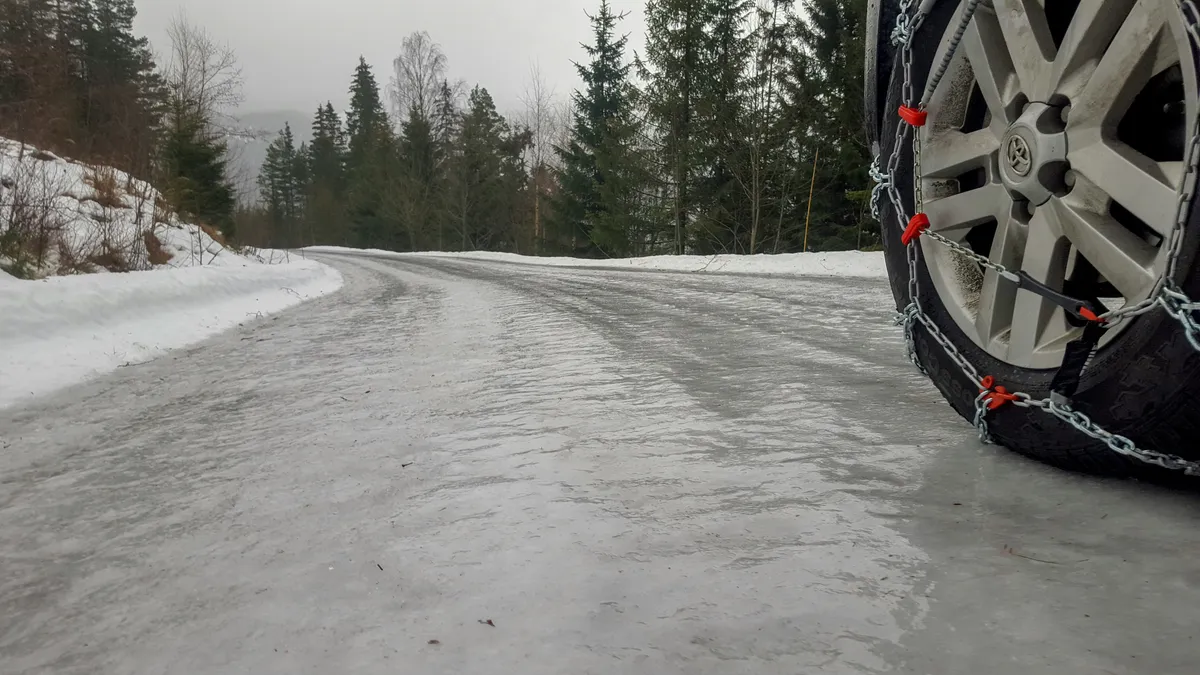
A snow- and ice-covered roadway is a dangerous place to drive, especially in cases of black ice. The following are some tips to remember when driving on snow-covered or icy roads:
- Increase your following distance to at least 7-8 seconds when snow is on the ground to avoid sliding into an auto accident.
- Reduce your speed as needed based on road and weather conditions.
- Avoid sudden braking or steering movements, as they can cause your vehicle to skid.
- If you lose control, stay calm and try to regain traction by slowly applying the brakes.
- Check the weather forecast before driving and adjust your route as necessary.
- If you're not sure about driving conditions, wait for the weather to improve.
- Keep your windshield wipers clean and check your tires for adequate traction.
- Carry chains or snow tires in your vehicle and ensure they are in good condition.
- Stay alert and avoid distractions like cell phone use while driving.
Dust Storms
A dust storm can make visibility drop to near zero, leading to dangerous driving conditions and a higher risk of collisions. Additionally, dust storms are often paired with heavy winds that can move vehicles around and potentially cause them to encroach on other lanes or tip over.
Extreme Heat
Every summer, Nevada experiences extreme heat when the pavement can reach 175°F. This burning temperature can cause the air in the tire to expand and pressure to increase, potentially leading to tire blowouts.
To avoid a tire blowout during the Nevada summer months, keep your tire pressure proper and inspect your tires for any damage.
Driver Duties in Hazardous Weather Conditions
When driving in adverse conditions, you must exercise extreme caution and drive at a reasonable speed. You should maintain a safe following distance and take all necessary precautions to avoid skidding or losing control.
In the event that you are driving in extreme weather conditions, taking reasonable precautions is the number one way to avoid being held responsible for a car accident.
Reasonable Speed and Safe Following Distance
In Nevada, drivers must adjust their speed and following distance when conditions change. The posted speed limit applies, but it doesn't account for hazardous conditions like rain, snow, or fog:
- Slow down when visibility is poor. If you can't see more than 100 feet ahead, don't drive faster than 30 mph.
- Increase following distance. Keep at least 6 seconds behind the vehicle in front during rain and 8 seconds in snow.
Proper Use of Headlights and Wipers
Ensure both of your front headlights work, that your wipers fully clean the windshield, and that your brights and hazards work.
If you don't use your headlights or wipers during bad weather, you could be held responsible for any accidents or injuries caused.
Obtain the Compensation You're Entitled To
Contact Us Today
The Rodney Okano Car Accident Lawyer Law Firm is a Las Vegas personal injury law firm that specializes in representing those in car, truck, bus, and motorcycle accidents. Founded in 2001, our law firm has over 20 years of legal experience in Nevada and has remained dedicated to securing the maximum settlement for those injured in motor vehicle accidents. Our firm offers free consultations, which can be set up by calling or sending an email inquiry.