Rodney Okano Car Accident Lawyer
Las Vegas Bankruptcy Lawyers
20 years of legal experience. 20 years of exceptional results.

Call a Lawyer Now - It's Free

Bankruptcy in Las Vegas involves navigating complex legal issues that affect many residents facing overwhelming debt. When financial struggles become unmanageable, understanding the bankruptcy process becomes essential. The automatic stay, a powerful protection under the bankruptcy code, halts debt collection efforts immediately upon filing for bankruptcy.
This gives you breathing room to reorganize your finances. Many individuals in Southern Nevada experience wage garnishment, medical issues, or foreclosure proceedings that make professional legal advice necessary. An experienced bankruptcy attorney from the Rodney Okano Law Firm can explain how different bankruptcy chapters work and which options suit your situation.
Whether dealing with unsecured creditors or facing foreclosure, you deserve clear communication about your rights and available solutions for financial recovery.
Bankruptcy is a legal process that allows individuals and businesses to manage overwhelming debt. When you file for bankruptcy, you petition the bankruptcy court for relief from debts you cannot pay. The court then works with creditors to create a manageable repayment plan or discharge eligible debts entirely, offering a fresh start for your financial future.
Mounting debts from medical bills, job loss, or unexpected expenses may signal it's time to explore bankruptcy. Consider filing when unsecured debt becomes unmanageable, and creditors pursue aggressive collection actions. If your disposable income cannot cover essential living expenses and minimum debt payments, then you should schedule a free consultation with the Las Vegas bankruptcy attorneys at the Rodney Okano Law Firm to understand available remedies.
Many people believe bankruptcy means losing everything they own. Actually, numerous exempt assets remain protected under Nevada law. Your home may qualify for homestead exemption protection. Additionally, retirement accounts typically stay safe from creditors. Another common myth suggests bankruptcy ruins your credit score permanently.
While it initially affects your credit report, most people rebuild within three to five years. Many also think all debts disappear through bankruptcy. However, student loans and certain obligations remain non-dischargeable debts. Understanding these distinctions helps clarify what bankruptcy cases actually involve, and if you wish to learn more, contact our Nevada bankruptcy law firm today.
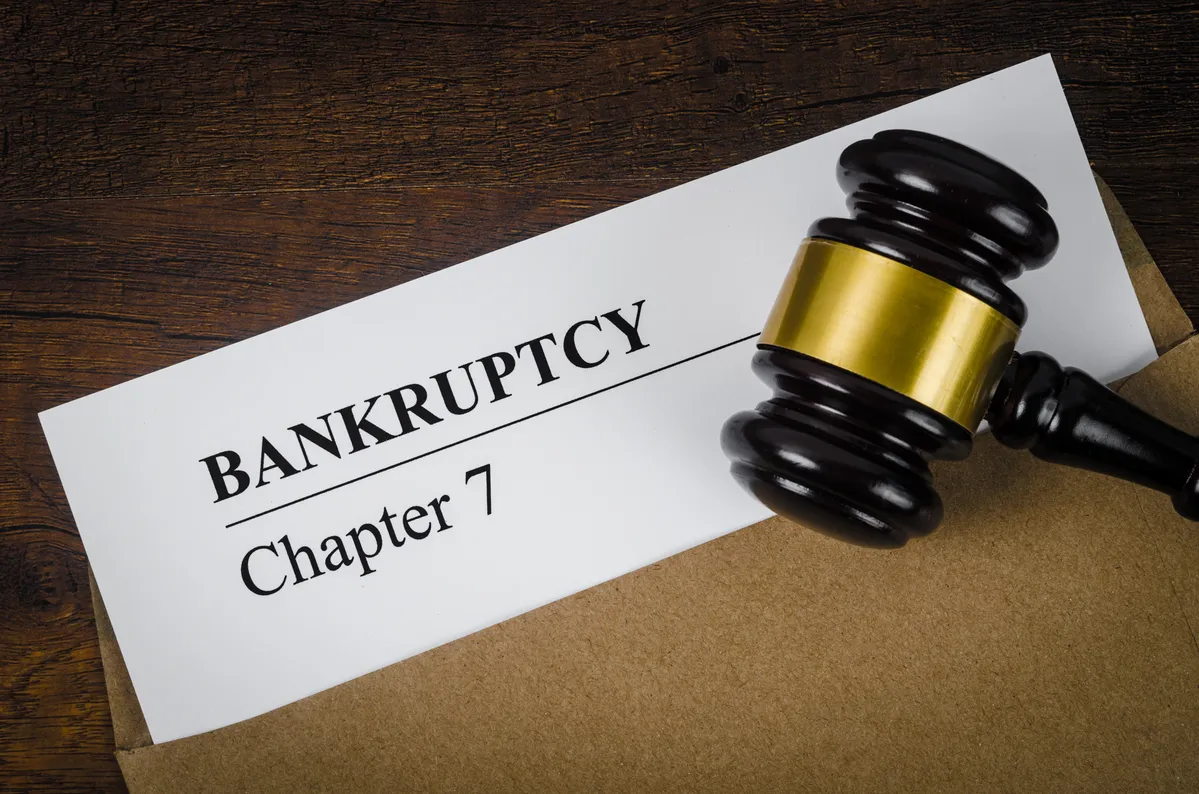
Chapter 7 bankruptcy allows individuals to eliminate most unsecured debts through court proceedings. This legal process involves liquidating assets to repay creditors. Key aspects of Chapter 7 bankruptcy include:
Our experienced bankruptcy lawyers guide clients through this complex litigation with personalized service and extensive experience. Contact us today to learn how we can help you.
Chapter 7 works best if you lack a steady income but have non-exempt assets to liquidate. Consider it when you want a quick discharge without a multi-year payment plan. The Nevada bankruptcy court will determine what qualifies for protection under exemptions when handling your case.
In a Chapter 7 straight bankruptcy, the debtor's non-exempt assets are sold to pay creditors in a specific order of priority. Once those assets have been sold and the proceeds disbursed, any remaining debts are discharged by the bankruptcy court. However, many so-called Chapter 7 "liquidations" are actually no-asset bankruptcies, where all of the debtor's eligible property and belongings are exempt, and nothing is sold at all.
Nevada's exemption laws allow you to keep certain assets, including equity in your home and vehicle, up to a specific value. Visit the Las Vegas office of Attorney Rodney Okano today to learn what exemptions apply to your Chapter 7 bankruptcy.
In Chapter 7 bankruptcy, many assets receive protection through exemptions. Nevada law allows debtors to protect property from creditors during the process. The United States Bankruptcy Code, 11 U.S. Code § 522, also provides federal exemptions that protect retirement accounts and primary residences. Our legal team will identify which assets qualify for protection based on Nevada state and federal guidelines.
Chapter 13 bankruptcy allows individuals to restructure debts through court-approved payment plans spanning three to five years. Unlike liquidation, debtors keep their assets while repaying creditors systematically. This approach offers a practical path for those facing financial hardship seeking debt relief.
Chapter 13 bankruptcy works best for people with steady income who want to keep their assets. This option lets you reorganize debts through a repayment plan lasting three to five years. Consider Chapter 13 if you:
Unlike Chapter 7, this approach prevents asset liquidation. In Chapter 13, the Nevada bankruptcy court creates a structured plan where you pay creditors over time. Many people choose this path to protect valuable property and belongings while addressing financial struggles systematically.
Your repayment plan becomes the foundation of Chapter 13 bankruptcy. With a regular source of income, you devote a portion of your disposable income toward monthly payments spanning three to five years. This structured approach allows you to keep your assets while gradually eliminating debt. An experienced bankruptcy attorney from The Rodney Okano Law Firm can help you craft a plan tailored to your financial situation, ensuring creditors are paid off while you regain financial stability.
Chapter 13 reorganization offers significant advantages for those with a steady income. You can keep your assets while paying down debt through a structured monthly plan over time. This approach protects co-signers like family members from creditor action. The bankruptcy court oversees your repayment schedule, ensuring a clear path toward becoming debt-free while keeping assets.

In most cases, you can keep both your home and car through bankruptcy. Under Chapter 7, you may protect a certain amount of equity in these assets as exempt property. Chapter 13 doesn't require selling any assets, preventing foreclosure or repossession. An experienced bankruptcy attorney at The Rodney Okano Law Offices will help you determine the best option for your specific situation.
Your primary residence often receives special protection in bankruptcy proceedings. Chapter 7 bankruptcy typically allows you to keep your home through the homestead exemption, which shields a certain amount of equity from creditors. Chapter 13 bankruptcy lets you reorganize debts while maintaining homeownership through a repayment plan.
Set up a free consultation with our experienced attorneys today to understand your specific exemption limits and protections available.
You typically have several options to keep your vehicle during bankruptcy proceedings. In most cases, you may protect a certain amount of equity in your car as a Chapter 7 exempt asset, or:
Our experienced bankruptcy attorneys can help you analyze which strategy works best for your particular situation through our comprehensive legal services and experience.
Nevada law protects certain assets through exemptions during bankruptcy proceedings. Debtors can keep essential property like primary residences and vehicles up to specific dollar limits. The state allows exemptions totaling $605,000 for homesteads under Nevada Revised Statutes 115.010. Additionally, vehicle exemptions reach approximately $15,000 per car.
These protections allow individuals to rebuild while maintaining basic necessities, making bankruptcy a viable option for those facing financial hardship.

Bankruptcy significantly damages your credit score and remains on your report for years. Chapter 7 bankruptcy stays for ten years, while Chapter 13 bankruptcy lasts for seven years. Your credit score typically drops 130 to 200 points immediately after filing. During this time, obtaining loans becomes difficult and expensive.
However, recovery is possible through responsible financial management and rebuilding credit over time.
Chapter 7 bankruptcy appears on your credit report for up to 10 years, while Chapter 13 stays for 7 years. However, most people rebuild credit within two years.
After your bankruptcy discharge, you can begin rebuilding your credit immediately. Many people see improvement within one to two years by making timely payments on new accounts. Consider secured credit cards or credit builder loans to demonstrate responsible borrowing habits. Monitoring your credit report regularly helps you track progress.
With consistent financial discipline, your credit score will gradually recover from the bankruptcy impact.
Bankruptcy stays on your credit report for several years, depending on the chapter filed. Chapter 7 bankruptcy remains for up to 10 years from the filing date, while Chapter 13 stays for up to 7 years. However, the impact weakens over time as follows:
The American Bankruptcy Institute states that rebuilding credit begins immediately after discharge, so each responsible payment helps restore your creditworthiness despite the lingering record.
Filing Chapter 13 or Chapter 7 bankruptcy stops wage garnishment immediately through the automatic stay. This legal protection halts creditor collection efforts, allowing you to reorganize debt through a manageable payment plan or liquidation.
With over 20 years of experience in bankruptcy court proceedings, our attorneys work to protect your income and financial stability. Contact us today for a free consultation.
When you file a bankruptcy case, an automatic stay usually goes into effect and stops many collection actions, including wage garnishments. There are exceptions, and timing matters. For example, garnishments tied to certain domestic support obligations may not stop the same way as consumer debt garnishments.
Money already taken from your paycheck may not automatically return, so acting early gives you more control.
Filing for bankruptcy triggers an automatic stay under federal law. This legal protection immediately stops creditor actions, including wage garnishment. Once filed in the Nevada bankruptcy court, creditors must cease collection efforts. The automatic stay applies broadly across most debts. Your wages remain protected while the legal process unfolds.
This powerful mechanism gives individuals breathing room to reorganize finances and address outstanding obligations through a structured plan or liquidation rather than continuous collection pressure.
Bankruptcy courts offer powerful tools to recover garnished wages. Through Chapter 7 or Chapter 13 filings, you can halt wage garnishment immediately and potentially reclaim previously withheld amounts.
Our experienced attorneys are here to help you navigate this complex process effectively.

Filing for bankruptcy requires submitting several important forms to the court. You'll need to complete a petition, schedules listing your debts and assets, a statement of financial affairs, tax returns from the past two years, proof of income, and a means test form.
Additionally, you must complete credit counseling before filing. Having all documents organized and accurate helps ensure your case proceeds smoothly through the bankruptcy process.
Yes, you can file for bankruptcy while unemployed. Unemployment doesn't prevent you from filing Chapter 7 or Chapter 13 bankruptcy. However, your income situation affects which chapter you qualify for and your repayment plan. The means test examines your income over the past six months, so even without current employment, previous earnings factor in.
You'll need to disclose all financial information honestly to the court, regardless of employment status.
You can file for bankruptcy multiple times, but there are waiting periods between filings. Federal law requires you to wait a certain amount of time, depending on which bankruptcy chapter you previously filed. After a Chapter 7 discharge, you must wait eight years before filing Chapter 7 again, but only four years before filing Chapter 13.
The Means Test is a calculation used in bankruptcy to determine if you qualify for Chapter 7 or must file Chapter 13 instead. It compares your income to your state's median income and evaluates your monthly expenses. If your income falls below the median, you typically qualify for Chapter 7, which discharges unsecured debts like credit cards and medical bills quickly.
If your income exceeds the median, you may be determined to have leftover money to repay debts through a Chapter 13 plan instead.
Schedule a
Free Consultation
Our Practice Areas
Areas We Serve

Attorney Rodney Okano is a skilled Las Vegas attorney who has over 20 years of legal experience in the state of Nevada. Through his extensive legal career, he has helped thousands of clients in their personal injury and bankruptcy matters.
Contact Attorney Rodney OkanoSee why our clients trust us with their legal matters.

Rodney Okano and his associates provided excellent service in assisting me with my auto accident cases. They offer wise advice, responded to my questions/concerns in an efficient manner, and kept me well informed on the progress of my case. I've recommended their services to many of my family and friends and will continue to do so.
Mr. Okano handled our case and represented us with professionalism. He answered all questions and was always there to help us. His legal secretary Jackie was great in keeping us informed and answering our questions. I recommend Mr Okano for your needs.
Mr. Okano and Jackie are THE best. It's not just a headline statement, I truly mean it.Dealing with the legal process and overall bureaucracy nowadays is extremely