

9 min read time

Table of Contents

What Is the Average Settlement for a Rear-End Collision?
In Nevada, rear-end collision payouts vary significantly based on injury severity and circumstances. Minor injuries like mild whiplash typically range from $5,000 to $15,000, while moderate injuries sustained in rear-end car accidents may reach $15,000 to $50,000. Serious injuries, such as traumatic brain injuries and herniated discs, often result in higher payouts exceeding $100,000.
Key factors affecting settlement amounts include medical bills, lost wages, and future medical expenses. Insurance policy limits also influence final payouts. Some cases involve punitive damages when negligence is particularly egregious, which could ultimately result in a higher payout.
Receiving fair compensation for your rear-end accident requires understanding how insurance companies calculate claims, knowing when to pursue additional compensation beyond initial offers, and working with an experienced car accident attorney who can help you build your personal injury case and protect your rights.
Typical Settlement Ranges for Rear-End Accidents
Rear-end collision settlements vary widely depending on injury severity and damage. Minor car repairs and whiplash cases typically settle between $5,000 and $15,000. However, serious injuries involving broken bones or ongoing treatment can reach $50,000 or more. Insurance companies often use the multiplier method, calculating your total economic damages by a factor of 1.5 to 5 times the total costs.
A personal injury attorney can evaluate your potential settlement by analyzing current losses, such as medical expenses and lost wages, and future losses, such as lost future earning potential and future treatment costs, to ensure you receive fair compensation.
Minor Fender Benders
Minor fender benders typically result in lower settlement amounts due to limited property damage and minimal injuries. Most insurance companies offer cover ranging from $500 to $5,000 for these accidents. Medical bills and medical care costs remain modest because injuries are slight to no. However, documentation still matters greatly.
Collecting the license plate number, medical records, and pay stubs strengthens your car accident claim considerably.
Moderate Collisions
In Nevada, moderate rear-end collisions typically result in settlement amounts ranging from $10,000 to $25,000, depending on injury severity and medical bills incurred. These accidents usually cause whiplash and soft tissue damage requiring physical therapy and ongoing medical treatment. Victims often recover medical costs plus compensation for physical pain and suffering damages.
Severe Crashes
Average settlement amounts for severe rear-end crashes usually range from $25,000 to $100,000 or higher, depending on injury severity and circumstances. Victims often face substantial medical bills and lost wages during recovery. Typical expenses that could result from these severe accidents include:
- Hospital stays and surgery costs
- Ongoing physical therapy sessions
- Medication and specialist consultations
- Reduced earning capacity
Serious injuries often warrant experienced legal representation to ensure fair settlement negotiations with insurance companies.
Economic Damages in Rear-End Collision Settlements
Economic damages compensate you for measurable financial losses, such as medical bills, lost wages, and vehicle repair costs. Documentation of these damages through invoices, bills, and receipts matters greatly when pursuing a fair settlement for your losses.
Medical Treatment and Healthcare Costs
Medical bills form the foundation of economic damages in rear-end collisions. These expenses include emergency room visits, diagnostic imaging, and ongoing treatment. Physical therapy sessions and prescription medications can also be included in medical treatment costs.
Insurance companies typically cover these costs when liability and losses are clear, so it's important to have an attorney assist you in gathering evidence, such as medical records and witness statements, for successful settlement negotiations.
Lost Wages and Lost Income
When you're injured in a rear-end collision, lost wages become a significant part of your claim. If the accident prevents you from working during recovery, you can seek compensation for income lost during that time. Insurance companies typically require documentation like pay stubs and employer statements to verify lost income amounts before providing coverage.
These financial losses, combined with medical bills, often substantially increase your settlement value in a personal injury lawsuit.
Property Damage Repairs
Vehicle repair costs from rear-end collisions vary based on damage severity. Insurance companies typically cover repair expenses through property damage claims, which can often be paired with your personal injury claim.
Minor dents might cost hundreds, while serious structural damage can reach thousands. Getting accurate repair estimates helps establish fair settlement amounts for your property losses.
Out-of-Pocket Expenses
Out-of-pocket expenses cover all direct costs you personally pay after a rear-end collision. These out-of-pocket expenses could include:
- Transportation expenses to appointments
- Pharmacy and medical equipment costs
- Prescriptions costs
- Repair or replacement of personal property
Non-Economic Damages in Rear-End Collision Cases
Non-economic damages compensate for pain and suffering, emotional distress, and other damages that can not be determined by a specific dollar amount. These damages account for the impact on quality of life that an auto accident can cause on a victim's life. Insurance companies often undervalue these damages, making fair settlement negotiations and legal support crucial for victims.
Pain and Suffering
Pain and suffering are the physical and mental pain a victim suffers following a car accident. Common types of pain and suffering include:
- PTSD
- Emotional distress
- Daily physical pain
- Depression
- Anxiety
Insurance companies often use multiplier methods to determine the value of pain and suffering damages, along with evidence such as therapy records and statements from family and friends.
Emotional Distress and Trauma
Emotional distress and trauma represent significant components of non-economic damages in rear-end collision cases. Victims often experience anxiety, depression, and PTSD following accidents, which deserve compensation beyond monetary losses. Insurance companies typically evaluate these claims by examining psychological treatment records and expert testimony.
The severity of emotional distress varies greatly depending on accident circumstances and individual vulnerability.
Loss of Quality of Life
Rear-end collisions often cause lasting physical and emotional harm that extends far beyond immediate injuries. Victims may struggle with chronic pain, depression, and anxiety, reducing their ability to enjoy daily activities they once loved. When serious injuries occur, people frequently need physical therapy and ongoing medical treatment, which prevents them from participating in hobbies, sports, or social gatherings.
These losses significantly impact overall well-being and warrant being accounted for in one's final payout.
Scarring and Disfigurement
Visible scars and permanent disfigurement from rear-end collisions qualify for substantial compensation. These injuries require extensive medical treatment and ongoing physical therapy to manage appearance and function. Consider these recovery factors:
- Medical costs for surgical procedures and reconstructive treatment
- Long-term physical therapy sessions
- Psychological impact from visible scarring
Punitive Damages in Rear-End Accidents
In Las Vegas, Nevada, punitive damages rarely apply in rear-end accidents unless the at-fault driver displayed extreme recklessness, such as if they were street racing or driving under the influence.
While punitive damages are awarded to the victim along with their settlement, these damages are not meant to compensate the victim for their losses but rather to punish the at-fault driver for particularly dangerous behavior beyond standard negligence.
When Punitive Damages Apply
Under Nevada NRS 42.005 and NRS 42.010, which govern punitive damages in vehicle accident cases, punitive damages apply when the driver's behavior shows extreme recklessness or intentional misconduct that causes serious injuries. Nevada courts award them to punish dangerous conduct beyond standard negligence in rear-end collision cases.
How Punitive Damages Are Determined
Las Vegas judges evaluate punitive damages by examining the severity of the defendant's conduct and the level of recklessness. Evidence of intentional wrongdoing or gross negligence strengthens these claims significantly. Courts also consider the extent to which the at-fault driver's disregard for safety had on the victim's life, making larger punitive awards more likely in egregious rear-end cases and resulting in severe injuries.
Key Factors Influencing Settlement Amounts

Settlement amounts vary significantly based on injury severity, documentation quality, extent of property damage, and other factors. Medical bills, lost wages, and property damage form the foundation of most claims. However, the severity of injuries sustained in the accident tends to be the most significant factor in rear-end settlement amounts.
Severity of Injuries Sustained
Injury severity directly determines settlement value in rear-end cases. Medical treatment expenses grow substantially with serious injuries compared to minor injuries.
Key aspects when factoring the severity of injuries into a rear-end settlement amount are:
- Whiplash and other minor injuries typically result in lower payouts
- Severe injuries requiring ongoing medical treatment increase compensation significantly
Insurance companies carefully review all medical documentation when assessing fair settlement amounts for your injuries.
Extent of Vehicle Damage
Vehicle damage severity is another direct impact on settlement values. Documentation through repair quotes and photos establishes the extent of property damage sustained in your collision. Insurance companies assess repair costs carefully, as more serious damage typically correlates with more substantial payouts for injuries and lost wages.
Insurance Policy Limits
Your insurance coverage limits directly cap your settlement amount. If the at-fault driver's policy has a $50,000 limit and your damages exceed that, you cannot recover more, unless the at-fault driver has unprotected assets, which, in that case, with help from an attorney, you can collect to cover the remainder of your damages.
In Nevada, under NRS 485.185, drivers are required to carry a minimum liability coverage of:
- $25,000 for bodily injury or death of one person in an accident
- $50,000 for bodily injury or death of two or more people in an accident
- $20,000 for property damage per accident
Shared Fault and Comparative Negligence
Nevada follows a modified comparative negligence system, which, under NRS 41.141, allows you to recover damages even if you're partially at fault for the accident.
However, it's important to understand that under Nevada's modified comparative negligence system:
- Your settlement gets reduced by your percentage of responsibility.
- You can not recover compensation if you are 51% or more at-fault for the rear-end accident.
Quality of Medical Documentation
Strong medical records directly impact your settlement amount. Detailed documentation of injuries, treatment plans, and doctor visits proves the extent of your injuries to insurance companies and courts.
This evidence supports claims for medical bills and lost wages, strengthening your case.
Timeliness of Medical Treatment
Seeking medical attention immediately after a rear-end collision significantly impacts your settlement. Delaying treatment allows insurance companies to question the severity of your injuries and argue you're not truly hurt.
Frequently Asked Questions
What Is a Typical Initial Settlement Offer?
Initial settlement offers for rear-end collisions in Nevada typically average around $3,000. However, insurance adjusters often seek reasons to justify lower payouts, and you're generally entitled to more than the at-fault driver's insurance initially offers.
Always speak with a Las Vegas car accident lawyer before accepting an insurance settlement offer.
What Are Common Damages in Rear-End Collisions?
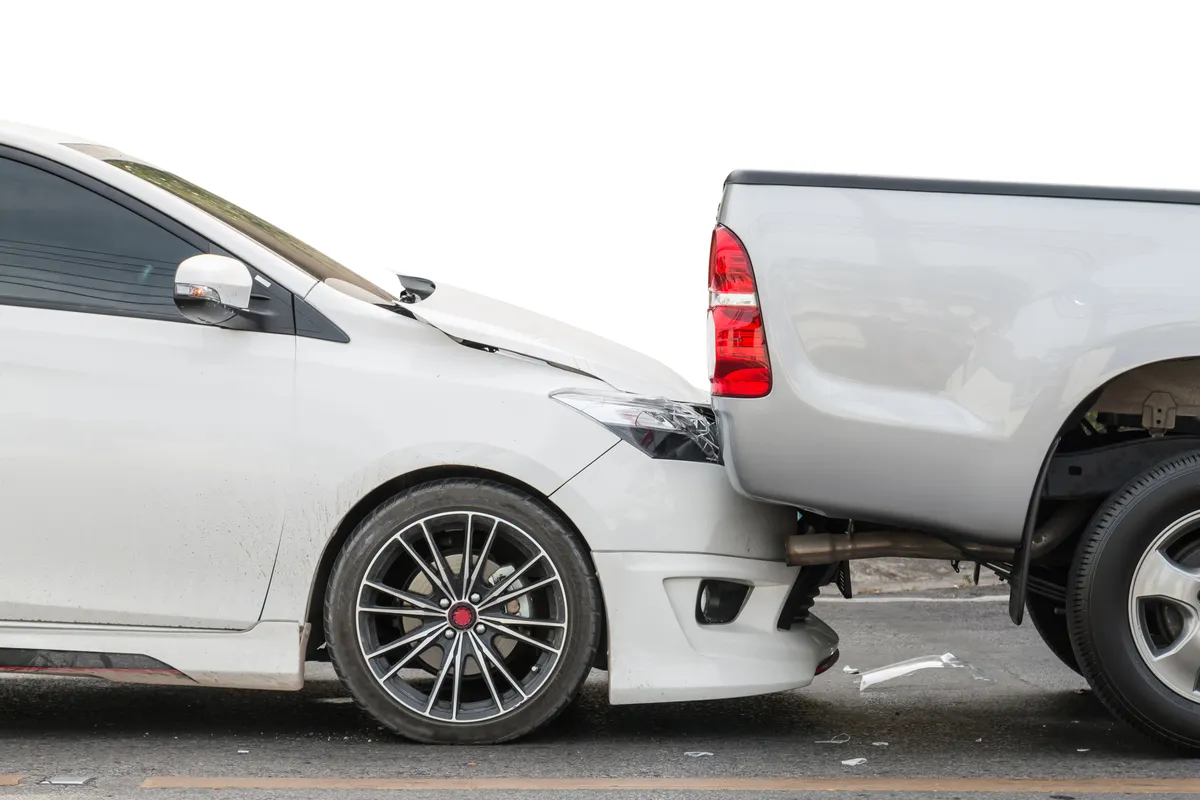
Rear-end collisions typically cause damage to the back bumper, trunk, and frame of the struck vehicle. Common injuries include whiplash, back pain, and neck strain. Vehicle damage often ranges from minor dents and paint scratches to severe structural damage requiring extensive repairs or vehicle replacement.
How Much Should I Settle for a Back Injury?
Back injury settlements typically range from a few thousand to hundreds of thousands of dollars, depending on factors like injury severity, medical costs, lost wages, and pain and suffering. Minor injuries might settle for $10,000 to $25,000, while serious cases can exceed $100,000. Consult with a personal injury attorney to evaluate your specific situation and determine fair compensation based on your damages and circumstances.
What Is Considered a Reasonable Amount for Pain and Suffering?
Pain and suffering damages vary based on permanent scarring, emotional trauma, and quality of life impact. Courts typically multiply medical expenses by one to five times to calculate non-economic damages. Each case is unique, so amounts differ significantly depending on specific circumstances.
How Long Do Rear-End Accident Settlements Take?
Rear-end accident settlements typically take three to six months, though complex cases may last longer. The timeline depends on factors like injury severity, insurance company responsiveness, and whether you need to file a lawsuit. Simple cases with clear liability often resolve faster, but complex cases can take a year or more.
Medical treatment completion also affects timing, as insurers need documentation of all injuries and costs before making offers.
What Happens if the Insurance Company Denies My Claim?
If the insurance company denies your claim, you have options. Common denial reasons include missed deadlines, gaps in medical treatment, disputes over fault, or policy exclusions. If you believe your denial reason was unjust, you may file a bad-faith insurance claim; however, consider hiring an attorney to help you appeal the denial or pursue legal action to recover fair compensation for your damages.
Obtain the Compensation You're Entitled To
Contact Us Today
The Rodney Okano Car Accident Lawyer Law Firm is a Las Vegas personal injury law firm that specializes in representing those in car, truck, bus, and motorcycle accidents. Founded in 2001, our law firm has over 20 years of legal experience in Nevada and has remained dedicated to securing the maximum settlement for those injured in motor vehicle accidents. Our firm offers free consultations, which can be set up by calling or sending an email inquiry.