


6 min read time

Table of Contents

Injuries That Are Difficult to Prove in Car Accident Claims
When a car accident leaves no obvious injuries, such as broken bones or cuts, yet the victim feels pain, proving the injury that they sustained can become a challenge. As a personal injury attorney in Las Vegas, I have seen injuries such as soft-tissue damage, whiplash, or mild traumatic brain injury be downplayed by insurers due to their lack of external damage and ability to escape X-rays.
Proving these hidden injuries requires meticulous medical evidence and, at times, expert testimony to convince insurers.
Whiplash and Soft-Tissue Pain
Whiplash is a common soft tissue injury that often results from rear-end collisions and causes neck pain, stiffness, and delayed headaches that rarely appear on standard imaging. Because these injuries are invisible, courts rely on patient reports, consistent therapy records, and specialist evaluations to establish the damage that one's whiplash has caused them.
To ensure your whiplash is proven in your car accident case, it's crucial to have comprehensive medical evidence, including medical tests, scans, and documentation of pain levels.
Traumatic Brain Damage
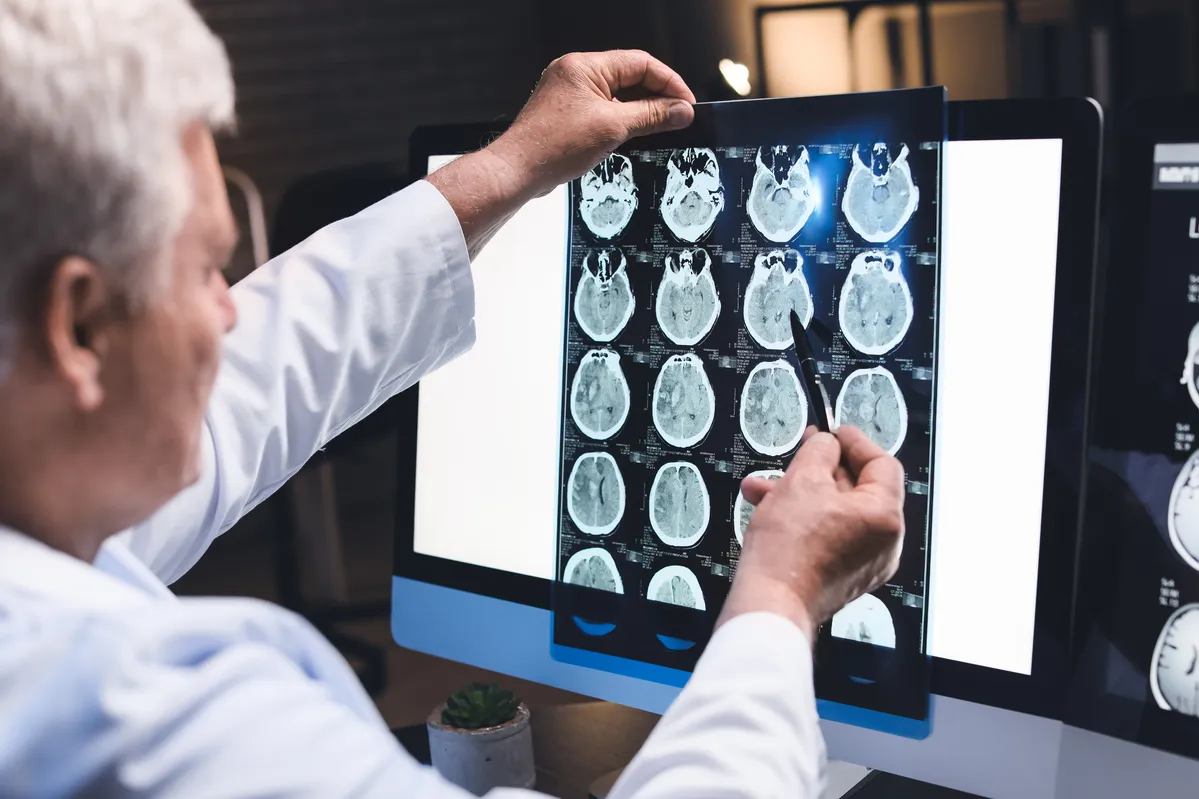
Mild traumatic brain injuries are difficult to prove because reported symptoms such as headaches, memory problems, difficulty concentrating, emotional distress, and other psychological conditions often appear late after the accident, and normal medical scans typically miss these symptoms.
Documenting such delayed injuries requires objective medical evidence, thorough exams, and testimony from family to establish a clear connection between the crash and the injuries.
Chronic Pain Syndromes
Chronic pain conditions such as fibromyalgia, complex regional pain syndrome, and migraines are difficult to prove because pain is subjective and cannot really be measured on scans. So, those who suffer chronic pain after an accident must rely on consistent treatment records proving that they are not exaggerating symptoms to ensure a fair settlement from the insurance companies.
Emotional Trauma
After a collision, victims often develop emotional trauma, anxiety, post-traumatic stress disorder (PTSD), depression, or insomnia, which creates no physical injuries yet is legally compensable under personal injury law. These emotional injuries are by far one of the hardest invisible injuries to prove, and even with strong evidence, insurers may still question the severity.
To prove emotional trauma in your case, first identify which of the common types of emotional injuries caused by car accidents you sustained, which are:
- Anxiety
- PTSD
- Depression
- Insomia
Then be sure your emotional injury fits accepted definitions, for example, the American Psychiatric Association defines PTSD as a response to a traumatic event marked by flashbacks and mood shifts.
Next, seek help from a therapist and ask them to document their opinion, as you'll be able to use it as evidence.
Factors That Complicate Injury Validation in Car Accident Cases
Having worked on numerous auto accident cases as a personal injury lawyer, I have identified multiple factors that can complicate the process of establishing the existence of an injury and the damages it causes. The most common of these factors include:
- No visible signs on medical imaging
- Symptoms that appear days after impact
- Heavy reliance on a victim's description
- Gaps in early medical records
- The victim has pre-existing damage
Each one of these factors invites scrutiny from insurers and defense teams, making strong evidence essential.
Lack of Immediate Physical Symptoms
When injuries surface weeks after a car accident, proving them is harder because there is no obvious direct link to the accident, such as with a bruise or broken bone, that appears immediately after the car crash.
Injuries that lack immediate signs of physical trauma and can remain invisible to doctors and scans include:
- Soft tissue injuries
- Mild TBI
- Psychological injuries
When suffering these types of injuries with delayed symptoms, insurance companies may doubt your claim, so gathering medical records, detailed notes, and expert witness testimony is essential to linking delayed-onset injuries. Also, consulting a car accident attorney early can help in building a strong case and linking your delayed trauma.
Subjective Pain Reporting
Subjective pain reporting is a key hurdle in injury validation because pain is personal and fluctuates daily. Without visible signs, insurers doubt claims, often citing a lack of imaging evidence. Even with medical records and expert testimony to confirm pain, skepticism remains high, making consistent documentation and treatment essential.
Common Insurance Tactics That Complicate Proving Injuries
Insurance companies often employ tactics that can make invisible injuries, such as soft tissue injuries, traumatic brain injuries, psychological injuries, and other challenging injuries, hard to prove after a car accident. Some of the most common tactics used to minimize payouts include:
- Alleging symptom exaggeration
- Citing existing conditions
- Delaying claim processing
- Offering lowball settlements
To prevent insurers from minimizing your settlement, it's recommended to seek representation from an experienced injury attorney, as they will work closely with medical professionals, gather medical records, collect physical evidence, and document delayed onset or delayed symptoms to counter insurer arguments and secure fair compensation.
Strategies to Strengthen Your Injury Claim and Prove Injuries
Building a comprehensive case for the hardest injuries to prove, such as whiplash, soft tissue injuries, concussions, and PTSD, requires extensive documentation, expert testimony, and a clear narrative.
Gathering all medical records related to the car accident, collecting witness statements and family members' statements, preserving accident evidence, and aligning the facts are all beneficial in proving your invisible injuries and illustrating how they affect your daily life.
Prompt and Specialized Medical Assessment
Seeking a prompt and specialized medical assessment strengthens your claim by swiftly providing you with objective evidence related to your injuries. Advanced imaging, DTI, fMRI, and neuropsych tests, combined with daily symptom logs and expert testimony, create a clear narrative that counters insurance company skepticism.
Detailed Symptom Journaling
Keeping a detailed symptom journal right after an accident that logs daily changes in pain, mood, and cognition can be used as measurable evidence in your injury case. By noting dates, triggers, and severity, doctors and attorneys can connect the injury directly to the accident, support expert testimony, and counter insurance skepticism.
Utilization of Expert Witnesses
Expert witnesses can help overcome insurer or jury skepticism by demonstrating undeniable, sincece-backed evidence. Neurologists use fMRI and DTI to show brain injury, while orthopedic specialists validate soft-tissue damage. Psychiatrists explain PTSD, pain specialists quantify chronic pain, and vocational experts assess work limitations, giving clear evidence of invisible harm.
However, understand that you should only use expert witnesses in your case when all other options are exhausted, as they are very expensive, especially medical experts.
Documentation of Daily Life Impact
Documenting how the invisible injury affects your daily life is a helpful piece of evidence that could be done through a daily pain and symptom journal that tracks fluctuations. Also, add activity limitation logs showing what tasks can no longer be done, keep medication records to prove ongoing treatment, take video clips of daily struggles, and include family testimony to strengthen your story.
What to Do If I Suffered Hidden or Delayed Injuries After a Car Wreck
If, after an auto accident, you suffered one of the invisible injuries, it's crucial that you seek immediate medical attention so you can get the treatment and monitoring you need and obtain official medical records documenting your injury to use as evidence.
Also, be sure to mention any existing condition you may have, so your records are specifically related to the car accident injury.
Once those preliminary steps are taken care of, schedule a free consultation with an experienced personal injury attorney, as they will be able to compile evidence, build your case, and apply a strategic approach in battling insurance companies.
The Importance of Timing in Evidence Collection
When it comes to proving difficult to prove injuries after an auto accident, early documentation is a must and can be done through:
- Immediate medical assessment
- Prompt imaging and neuropsych tests
- Immediate symptom logging
Advantages of Early Documentation
Early documentation identifies symptoms before they fade, allowing doctors recommed using diffusion tensor imaging and fMRI to detect brain damage that standard MRI may miss.
Also, by recording symptoms immediately, you reduce gaps in treatment that insurance companies exploit, and ensure that even the hardest injury can be proven and compensated for in your injury case.
Challenges Created by Delayed Claims
Delayed claims make it harder to prove injuries caused by an accident because medical records may become inconsistent or missing, and timelines and witness statements blur.
Additionally, by filing a claim weeks or months after the accident, you give the insurance company an advantage, as they can question you on why you chose to file so late and downplay your injuries.
Obtain the Compensation You're Entitled To
Contact Us Today
The Rodney Okano Car Accident Lawyer Law Firm is a Las Vegas personal injury law firm that specializes in representing those in car, truck, bus, and motorcycle accidents. Founded in 2001, our law firm has over 20 years of legal experience in Nevada and has remained dedicated to securing the maximum settlement for those injured in motor vehicle accidents. Our firm offers free consultations, which can be set up by calling or sending an email inquiry.