

8 min read time

Table of Contents

Immediate Steps to Take After a Rear-End Accident in Las Vegas
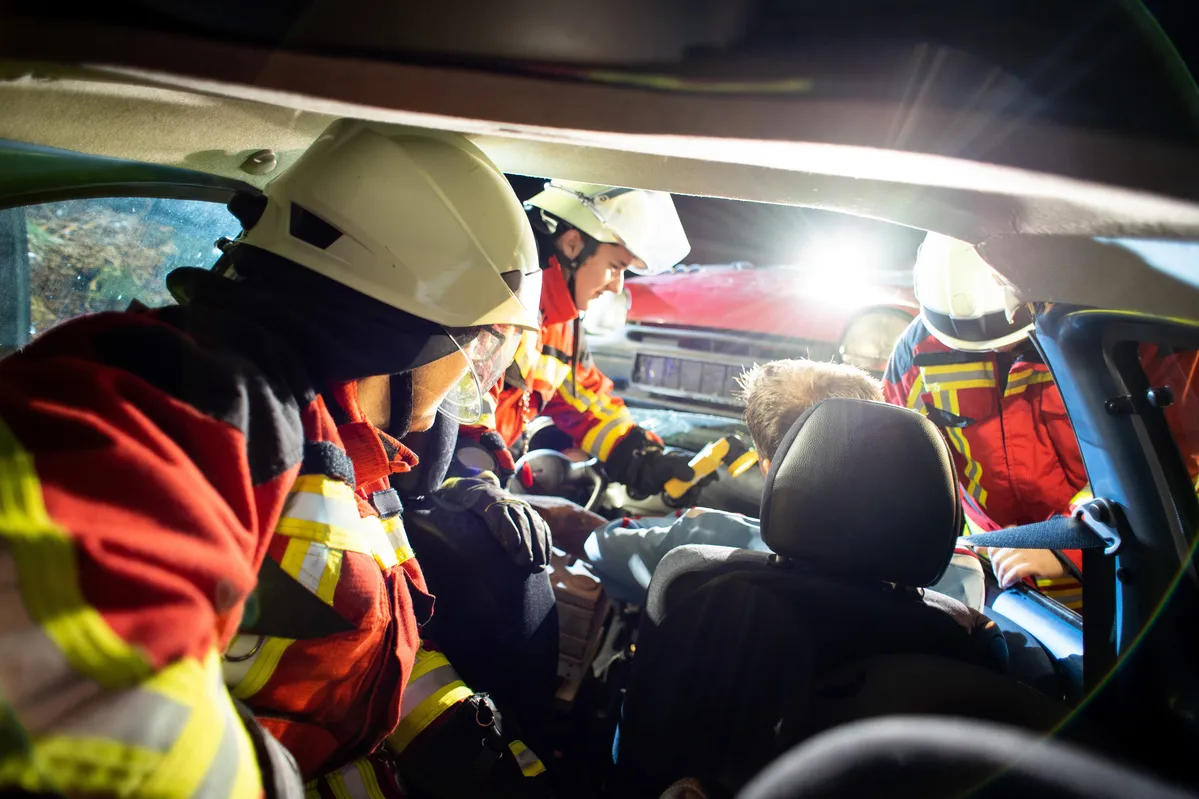
After a Las Vegas rear-end collision, your top priority is to ensure safety, gather necessary information, and protect your rights. As soon as possible, check yourself and all passengers for injuries, even if they seem minor, and call 911 immediately, as Nevada law requires drivers involved in crashes that result in injury or property damage to stop and report the crash to law enforcement.
Additionally, contacting law enforcement is crucial to obtaining a police report, which will serve as a vital piece of evidence in your car accident claim.
While waiting for first responders, it's essential to document the scene thoroughly:
- Take clear photographs of the vehicle positions, visible injuries, damage to all vehicles, and road conditions.
- Collect the other driver's license, registration, and insurance company policy number from the involved parties.
- Request the police report case number before leaving the scene.
When filing an insurance claim later, it's best not to apologize or admit fault, as these statements can be used against you. Instead, focus on providing accurate information about what happened during the collision.
To minimize mistakes in your claim and increase your compensation, contact a Las Vegas car accident lawyer who can provide legal assistance in case building, negotiations, and securing fair compensation.
Check Yourself and Others for Injuries
Rear-end collisions can cause serious injuries, including spinal injuries and concussions, and even seemingly minor injuries from these crashes often need medical treatment, which makes it essential to seek a proper medical checkup. Additionally, under NRS 484E.030, drivers involved in a car accident are required to provide reasonable assistance to anyone injured at the scene.
Move Your Vehicle to a Safe Location if Possible
In Nevada, the law requires drivers to stop after a crash, making it essential to move your vehicle safely and correctly. If the collision is minor and your car can be driven, pull to:
- The shoulder or nearest safe area
- Away from active traffic lanes
This helps minimize the risk of secondary collisions, which are responsible for a significant number of fatal accidents on Las Vegas highways.
Call the Police and File an Official Report
If you're involved in a rear-end crash in Nevada that results in injury or property damage over $750, you must report the incident to the police and obtain an official accident report. Even if the officers don't investigate the scene on the spot, it's still necessary to file a report later.
Before leaving the scene, always ask the responding officer for a case number or report ID, as this information is crucial for insurance companies when determining fault and processing claims.
How Nevada Fault Laws Apply to Rear-End Collisions
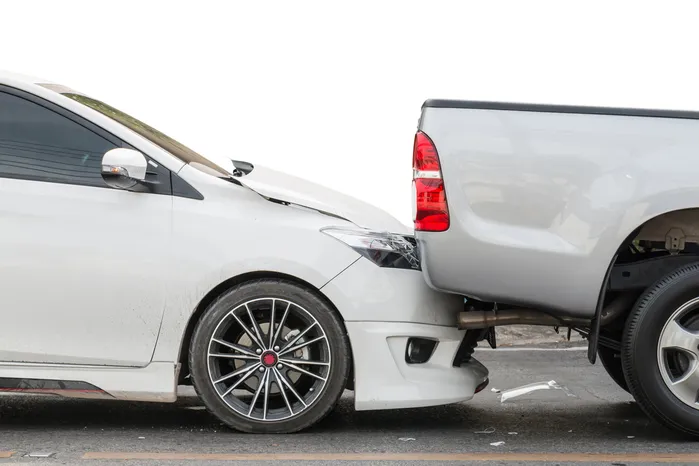
Nevada follows a fault-based system for handling rear-end collisions, meaning the at-fault driver is responsible for paying for the resulting lost wages, medical expenses, and other damages. According to the law, the driver who is following another vehicle from behind is usually considered at fault and must take responsibility, as stated in NRS 484B.127. This means that the trailing driver is typically presumed liable for any damages they cause.
However, this isn't always a clear-cut situation, as Nevada's modified comparative negligence rule under NRS 41.141 allows for some flexibility. If an accident victim is found to be partially at fault, their compensation can be reduced proportionally, reflecting the extent of their own responsibility.
Understanding Comparative Negligence in Nevada
A driver will have their compensation reduced according to the percentage of fault they hold, and drivers who are found to be at least 51% responsible for the accident are not eligible to receive any compensation under Nevada Revised Statutes 41.141.
For instance, driver A, who rear-ended another vehicle and was determined to be 30% liable for distracted driving, would have their damages reduced by that same percentage, while driver B, who was determined to be 70% liable, would be barred from recovering compensation.
This threshold is crucial because even small changes in assigned liability can greatly affect the total amount of damages an accident victim can recover.
When the Rear Driver Is Not Automatically at Fault
The assumption that the rear driver is at fault in a rear-end collision isn't always true. There are situations where the front driver may also be responsible for the accident, including:
- Sudden and illegal lane changes
- Broken brake lights
- Brake Checking
- Unexpected reversals
Common Causes of Rear-End Accidents in Las Vegas
In Las Vegas, rear-end accidents are often caused by a few specific and recurring habits behind the wheel. One of the main culprits is distracted driving, particularly phone use, which can cause drivers to miss slowing or stopped traffic ahead. Tailgating is another common contributor, as following too closely leaves little time to brake safely.
Road conditions also play a role, especially during heavy congestion, where sudden stops are frequent. Other contributing factors include:
- Speeding through intersections
- Impaired driving
- Dangerous lane changes
- Sudden lane changes that require abrupt braking
- Fatigued driving
Distracted Driving and Smartphone Use
Texting and driving is a major contributor to road safety risks, with the Virginia Tech Transportation Institute finding that it increases the likelihood of a crash by 23 times. The main distractions behind this increased risk include:
- Browsing social media
- Making GPS adjustments
- Answering phone calls
- Sending texts
Tailgating and Aggressive Driving
Tailgating is a major contributor to rear-end collisions, with thousands of annual crashes being attributed to drivers who follow too closely. Additionally, other aggressive driving behaviors play a role in rear-end accidents, including:
- Excessive speeding
- Sudden lane changes
- Failing to leave enough space for safe stopping distances
Speeding and Sudden Stops
Driving too fast can have serious consequences, especially when it comes to reacting in emergency situations. A speeding driver's reaction time is significantly reduced, making sudden stops much more hazardous. If another vehicle suddenly brakes ahead, even if the trailing driver is only 10 miles per hour over the speed limit, they will need a much longer stopping distance.
Several factors can increase the severity of an injury in such cases, including:
- The speed at which the vehicles collide
- How far back the following driver is from the vehicle in front
- The reaction time of the following driver
- The size of the vehicles involved
These variables play a crucial role in determining the amount of damages that can be recovered after a collision.
Poor Weather and Road Conditions
Las Vegas roads may appear dry, but flash floods, which are common in the Mojave Desert, can suddenly appear, leaving roads slippery with debris and oil buildup. This makes a perfect situation for rear-end collisions, where stopping distances increase significantly on wet pavement.
After a crash, taking photos of road conditions is crucial, as poor visibility or flooding can impact how damages and fault are distributed between the drivers involved.
What Information to Exchange at the Scene of a Rear-End Crash
In Nevada, it's essential to follow the correct procedure after a rear-end crash and exchange the information required by NRS 484E.030. When exchanging information with the other driver, make sure to collect and share the following details:
- Full names and contact information
- Driver's license numbers and vehicle registration details
- The name of your insurance company and policy number
- The make, model, and license plate number of the other vehicle
When exchanging information, it's crucial to avoid discussing who was at fault, apologizing, or commenting on injuries sustained, as these statements can potentially harm your case during insurance negotiations.
Instead, focus on sharing observable facts, such as when you noticed braking or road conditions, to maintain a clean and credible account.
How to Document a Rear-End Accident Scene in Las Vegas
After a rear-end collision, having thorough documentation is crucial to recover damages. To start, take detailed photos at the scene, including:
- The overall position of both vehicles before they are moved
- Any visible damage to both cars
- Interior details such as headrest positions and seatbelt placement
- Road conditions, traffic signals, and any skid marks
- Any visible injuries you sustained
This information can help support your claim against the at-fault driver's insurance company.
Taking Photos and Videos of the Damage
To build a solid case, it's essential to capture detailed documentation of the vehicle positions, skid marks, and any visible damage from multiple angles. A comprehensive photo set should include:
- Wide shots that showcase both vehicles involved in the incident
- Close-up images of the impact points to highlight the extent of the damage
- Any road hazards or obstacles that may have contributed to the accident
This visual evidence is crucial in supporting rear-end accident claims, as it provides a tangible representation of the accident's severity and helps establish liability.
Gathering Witness Statements and Contact Information
Witness statements can play a crucial role in determining fault when the crash is disputed, so it's essential to collect names and contact information from bystanders as soon as possible after the accident. This helps ensure that their accounts are more credible to an insurance company than those gathered later on, when memories may have faded and details become distorted.
By recording brief, factual statements from witnesses alongside their contact information, you can preserve valuable testimony that directly supports identifying the at-fault driver and establishing liability.
Entrust Your Claim to the Rodney Okano Car Accident Lawyer Law Firm
When you're injured in a rear-end accident in Las Vegas, it's important that you entrust your claim to a law firm with experience. And with over 20 years of legal experience, the Rodney Okano Car Accident Law Firm is the firm to trust.
On top of our experience, our law firm understands the effects of rear-end collisions, such as how they often require ongoing medical treatment or can result in substantial economic damages, which is why our car accident attorneys never rush a claim and tally every receipt and analyze every injury to ensure our clients get maximum compensation.
Put your rear-end accident claim in the hands of experts today by scheduling a free consultation with our attorneys by calling (702) 566-3600.
Frequently Asked Questions
How Long Do I Have to File a Claim After a Rear-End Accident in Las Vegas?
According to NRS 11.190, you have two years from the date of the rear-end accident to submit your claim. However, if you're dealing with property damage, you have three years.
Failing to meet these deadlines usually means giving up your right to receive compensation, so it's essential to act promptly to protect your claim.
Should I Hire a Las Vegas Attorney After a Rear-End Accident?
Hiring an attorney in Las Vegas after being involved in a rear-end car accident can be extremely advantageous. Since liability is often a complicated matter, having a lawyer on your side can greatly benefit you. A skilled attorney can help you comprehend your rights and handle negotiations with an insurance provider.
Additionally, they can assist you in documenting any injuries that may not become apparent immediately, such as neck pain or dizziness, which can significantly strengthen your claim.
Obtain the Compensation You're Entitled To
Contact Us Today
The Rodney Okano Car Accident Lawyer Law Firm is a Las Vegas personal injury law firm that specializes in representing those in car, truck, bus, and motorcycle accidents. Founded in 2001, our law firm has over 20 years of legal experience in Nevada and has remained dedicated to securing the maximum settlement for those injured in motor vehicle accidents. Our firm offers free consultations, which can be set up by calling or sending an email inquiry.