

9 min read time

Table of Contents

Why Rear-End Accidents Happen So Often in Las Vegas
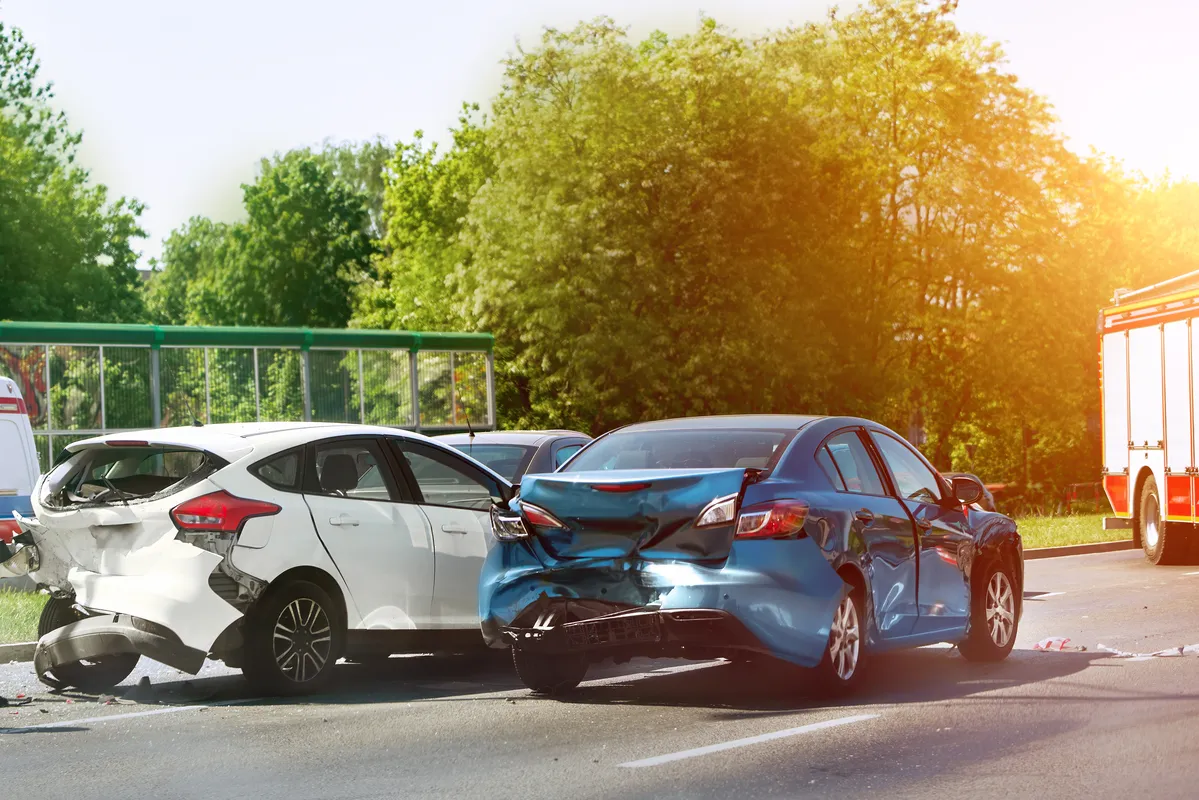
Rear-end accidents in Las Vegas occur due to a combination of heavy traffic, sudden stops, distracted driving, and aggressive behaviors. Tourist traffic, frequent stops at intersections, and the unique road layout of Las Vegas increase the likelihood of these collisions. Additionally, factors like tailgating, speeding, and impaired driving further contribute to the high frequency of rear-end accidents in the city.
These conditions create a challenging driving environment where drivers must remain alert and maintain safe distances. Tourists unfamiliar with local roads, especially during peak times, may struggle to navigate efficiently, increasing the risk of rear-end collisions.
The Role of Tourist Traffic in the Number of Rear-End Car Accidents
The sheer volume of visitors, many of whom are driving rental cars, can lead to erratic driving patterns and increased accident risk. The combination of unfamiliar routes, high tourist traffic, and unique road conditions in Las Vegas contributes to frequent rear-end accidents.
Unique Road Layouts and High-Volume Corridors
Las Vegas is known for its busy roads, such as Las Vegas Boulevard. These roads are often congested with vehicles, and the traffic can be unpredictable.
Some of the most common Las Vegas roads and highways for rear-end collisions are:
- Las Vegas Boulevard (The Strip): This road is one of the busiest in Las Vegas, often filled with tourists and local commuters. The heavy traffic and the need for frequent lane changes can lead to rear-end collisions.
- Flamingo Road: A major east-west road, Flamingo Road is known for heavy traffic, especially during rush hour. The constant flow of traffic makes it a dangerous spot.
- Tropicana Avenue: Frequent stops due to traffic lights and pedestrian crossings. It also has heavy traffic and large roads requiring multiple lane changes.
- Interstate 15 (I-15): I-15 is a critical route for both local and out-of-town drivers. It often experiences congestion, especially during rush hours, leading to sudden stops and rear-end collisions.
Due to the unique factors of Las Vegas's road network, it creates a challenging environment for drivers, increasing the likelihood of rear-end accidents. It also creates the need to work with a Las Vegas rear-end accident attorney who understands the road network when being injured in a rear-end accident in Las Vegas.
What the Numbers Reveal About Rear-End Collisions in Las Vegas
Studies show that about 37% of all accidents in Las Vegas are rear-end collisions. This makes rear-end collisions the single most frequent type of car accident in Las Vegas. These collisions often happen in stop-and-go traffic, where drivers fail to maintain safe distances, get distracted, or react too slowly to sudden stops.
Heavy Traffic and Stop-and-Go Driving Conditions
Traffic conditions in Las Vegas create unique challenges that contribute to rear-end collisions. The city's traffic patterns can be particularly brutal at peak hours when the Strip is packed with commuters and tourists alike. Freeway bottlenecks and sudden slowdowns at intersections or when approaching construction zones can catch drivers off guard.
The sheer number of entertainment venues, shopping districts, and tourist attractions that draw visitors during peak hours can lead to bumper-to-bumper congestion. Tourists unfamiliar with local driving patterns or rush-hour timing can easily get caught in the flow of traffic.
Peak Hour Congestion on the Strip
The Las Vegas Strip is a hub of activity, and rush hour times can be chaotic, but there are also specific periods when the heavy traffic slows down. A common time to expect traffic congestion is from 3:00 to 4:00 p.m., as workers head to their evening shifts. This rush hour period is particularly challenging for drivers who travel east to west or west to east, as major intersections like Sahara, Flamingo, and Tropicana Avenues become gridlocked.
- Peak Hours: Expect heavy traffic during 3:00 p.m. to 4:00 p.m.
- Night Hours: Another time to expect congestion is between midnight and 1:00 a.m., when workers return from evening shifts.
- Major Intersections: Sahara, Flamingo, and Tropicana Avenues are notorious for gridlock during peak hours.
Freeway Bottlenecks and Sudden Slowdowns
Traffic bottlenecks are frequent on Las Vegas freeways, especially at I-15 and I-215 near downtown. These areas often experience recurring slowdowns due to signal timing and limited road geometry.
Common bottleneck locations include:
- On-ramp merges that don't allow smooth acceleration
- Freeway exits where traffic disperses unexpectedly
- Narrow bridges or underpasses with reduced lane counts
- Intersections with poorly timed traffic lights
When traffic suddenly slows at these points, drivers behind must brake sharply. This creates the conditions for rear-end collisions, especially at high speeds on Las Vegas roads.
Distracted Driving on Las Vegas Roads
The sheer number of tourists and visitors in Las Vegas creates a high-traffic environment where distractions are abundant, and drivers are constantly tempted to divert their attention. Tourists are often excited and may not be paying as much attention to the road as they should be. The city's bright lights, neon signs, and digital billboards are mesmerizing to visitors who often get so absorbed in them that they lose focus on the road ahead.
The combination of heavy traffic and tourist crowds can lead to a chaotic environment where a momentary lapse in concentration can result in a serious accident. Tourists often lack local driving experience, and unfamiliarity with the roads can lead to hesitation and delayed reaction times. This is particularly dangerous in a city known for high-speed driving.
Cell Phone Use and Texting Behind the Wheel
One of the most dangerous aspects of driving in Las Vegas is the temptation to use a mobile device while on the road. The prevalence of texting while driving is a growing issue, with many drivers failing to prioritize the safety of themselves and others on the road. The severe consequences of such distractions include:
- Increased Crash Risk: Drivers who use cell phones or text are significantly more likely to be involved in a crash than those who focus solely on the road.
- Delayed Reactions: Distraction can result in delayed reactions to traffic conditions, such as brake lights or sudden stops by vehicles ahead.
- Legal Penalties: Distracted driving is illegal in Nevada, and drivers can face fines, license suspensions, and even jail time.
- Personal Injury and Property Damage: The consequences of a distracted driving accident can range from minor injuries to serious trauma, along with vehicle damage and financial losses.
For those affected by distracted driving accidents, seeking compensation for medical expenses, lost wages, and property damage is possible. An experienced personal injury attorney from the Rodney Okano Car Accident Lawyer Law Firm can provide legal guidance to protect your legal rights and help you recover compensation for the injuries and losses you have sustained.
Sightseeing and Digital Billboard Distractions
Las Vegas isn't just about the road. It's about the lights flashing in the windows and the ads meant to grab attention. Tourists, in particular, are drawn in by the sights. But when those sights take over, drivers may end up glancing at billboards, signs, or even cars parked on the side of the road. This split-second distraction can turn a simple drive into a rear-end collision.
Digital billboards in Vegas often flash every few seconds, capturing the eye but not the mind. Here's how they contribute to the issue:
- Billboards on the Strip: Large, rotating ads line the main roads, making them impossible to ignore. The bright colors and flashing images are designed to catch attention, but they also pull your eyes away from the road.
- Automatic Visual Shifts: Studies show that drivers make involuntary eye movements toward moving lights or advertisements. A study in 2023 found that drivers who glanced at flashing billboards were more likely to have a crash within 5 minutes.
- Unexpected Stops: A driver distracted by a billboard may not react quickly enough to the brakes of the car ahead. This is especially true when they are in a new area and unfamiliar with the speed of traffic.
- Lane Changes: Billboards can also cause lane-change accidents. If a driver is distracted, they may miss the cue of a car in the next lane, leading to a collision when they try to change lanes.
Tailgating and Following Too Closely
Tailgating is a major cause of rear-end collisions in Las Vegas, especially in areas with heavy traffic. These accidents happen when a driver in front suddenly brakes or stops, but the driver behind isn't close enough to react in time.
The problem isn't just about distance. It's often about driver behavior. Drivers who get angry, frustrated, or impatient may follow too closely, which turns a normal traffic situation into a dangerous one. In Las Vegas, this can be especially risky because of how fast traffic can move, how unpredictable drivers are, and how much tailgating happens on busy highways.
Tourist Drivers and Unfamiliar Roadways
One of the biggest factors contributing to car accidents in Las Vegas is tourist drivers unfamiliar with the area's roadways. Tourist drivers often face higher risks due to the following factors:
- GPS Distraction: Many tourist drivers rely heavily on GPS navigation systems to guide them. However, focusing too much on the GPS can lead to missed turns, incorrect lane changes, and delayed reactions to traffic conditions.
- Unfamiliar Road Layouts: Tourist drivers may struggle with unfamiliar road layouts, signage, and traffic patterns. This can lead to confusion and slower reaction times, increasing the risk of accidents.
- Rental Car Drivers: Tourists often rent cars, which may be unfamiliar to them. Adjusting to the controls, blind spots, and braking responsiveness of a new vehicle can be challenging, especially when combined with the stress of navigating unfamiliar roads.
These factors, combined with Las Vegas's fast-paced traffic, create a perfect storm for rear-end accidents.
Impaired Driving and Late-Night Collisions
Car accidents are most common during nighttime, but that doesn't mean the daytime is safe either. Las Vegas' traffic conditions are challenging, so even if you're driving during the night, you need to be vigilant.
Nighttime driving becomes dangerous due to impaired and fatigued drivers:
- Over 40% of fatal nighttime car accidents involve alcohol-impaired driving.
- More than 55% of fatal crashes between 12 and 3 a.m. involve at least one drunk driver.
- Drowsy driving is another major contributor to nighttime accidents.
- Between 2011 and 2015, drowsy driving was involved in 2.4% of all fatal crashes.
- Driving while tired can be as dangerous as being over the legal BAC limit.
Speeding and Aggressive Driving Habits
Speeding and aggressive driving contribute significantly to rear-end collisions in Las Vegas. Drivers who engage in aggressive driving behavior such as tailgating or failing to maintain a safe following distance are more likely to cause these accidents, especially in areas with heavy traffic and frequent lane changes.
Speeding reduces the time drivers have to react to sudden stops by others. At higher speeds, it becomes nearly impossible to stop in time when the vehicle in front suddenly brakes.
Aggressive driving often involves rapid lane changes without signaling, which confuses other drivers and increases the risk of collisions. Las Vegas roads are wide, and many drivers fail to signal when changing lanes, leading to rear-end accidents.
Sudden Stops at Intersections and Pedestrian Crossings
Traffic lights, pedestrian crossings, and turning vehicles create unpredictable driving conditions throughout the city. Drivers approaching intersections may suddenly stop when a light turns yellow or red. Pedestrians crossing the street can also force drivers to brake quickly. If the driver behind them is not paying attention or is following too closely, a rear-end collision can occur within seconds.
Extreme Desert Heat and Vehicle Mechanical Failures
The extreme heat in Las Vegas creates ideal conditions for mechanical failures. Here's how:
- Brake Wear and Tire Blowouts: High temperatures increase stress on brake components and tires, leading to premature wear and potential blowouts, especially at highway speeds.
- Sun Glare and Reduced Visibility: The intense sun glare can significantly impair driver visibility, increasing the risk of accidents, particularly when coupled with vehicle mechanical issues.
Brake Wear and Tire Blowouts
Tires are particularly vulnerable to heat stress. Underinflated or aging tires can fail under increased pressure, leading to blowouts that compromise vehicle control. Hot asphalt can further increase friction and wear, contributing to tire degradation and failure.
Sun Glare and Reduced Visibility
Glare isn't just an annoyance. It's a real safety hazard. On the hottest days, sunlight reflecting off the asphalt can blind you, especially during morning and evening commutes. When your eyes struggle to adjust, reaction time drops, and small hazards become hard to spot.
This is why proper eyewear is crucial in the desert. Polarized sunglasses help cut glare from road surfaces and reduce squinting, which keeps your vision clear and your reaction time sharp. However, not all sunglasses are created equal. You want polarized lenses that are also scratch-resistant and durable.
If you experience eye strain or temporary vision issues, consider switching to a pair of sunglasses designed for high-light conditions. If your prescription sunglasses aren't working for you, you might also consider switching to a non-prescription pair for short trips or errands.
Obtain the Compensation You're Entitled To
Contact Us Today
The Rodney Okano Car Accident Lawyer Law Firm is a Las Vegas personal injury law firm that specializes in representing those in car, truck, bus, and motorcycle accidents. Founded in 2001, our law firm has over 20 years of legal experience in Nevada and has remained dedicated to securing the maximum settlement for those injured in motor vehicle accidents. Our firm offers free consultations, which can be set up by calling or sending an email inquiry.